BCE
-0.4100
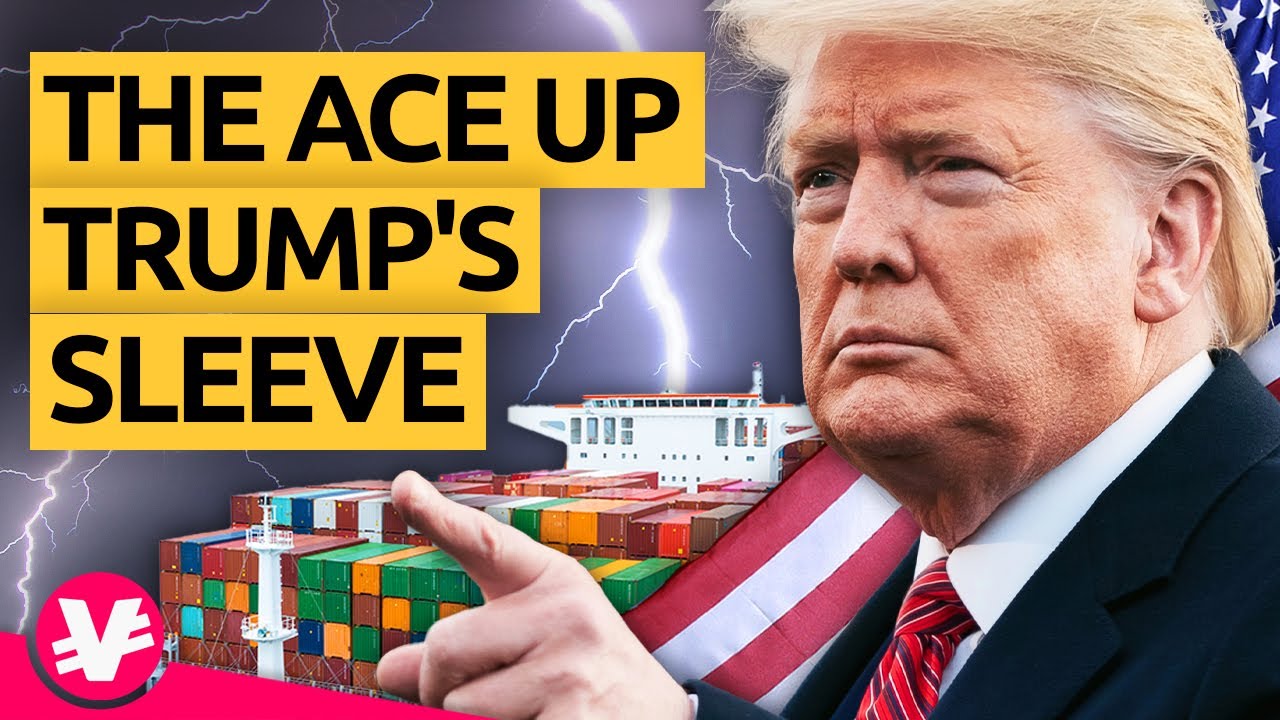
The trade conflict between the US and China, which began in 2018, has had a lasting impact on the global economy. Under the leadership of President Donald Trump and President Xi Jinping, a bitter tariff dispute developed, characterised by reciprocal punitive tariffs and countermeasures. In April 2025, both countries agreed to a temporary reduction in tariffs: the US reduced its tariffs on Chinese goods from 145% to 30%, while China reduced tariffs on US products from 125% to 10%. This 90-day agreement is seen as a step towards de-escalation, but a final resolution of the conflict remains elusive.
Origin and development
It all began in March 2018, when the US imposed tariffs on Chinese imports worth 50 billion dollars in order to reduce the trade deficit and protect domestic industries. China responded promptly with its own tariffs on US goods, triggering a spiral of escalation. Over the years, tariffs were imposed on goods worth hundreds of billions of dollars, ranging from technology products to agricultural goods and consumer goods. This conflict quickly became a central element of the geopolitical rivalry between the two superpowers.
The Phase One Agreement
A milestone was the ‘Phase One’ agreement in January 2020. China committed to purchasing an additional $200 billion worth of US goods over two years, including agricultural products and industrial goods. Improvements in intellectual property protection and a waiver of forced technology transfers were also agreed. However, implementation lagged behind: China did not fully meet its purchase commitments, which kept tensions high and prompted the US to consider new measures.
Current situation
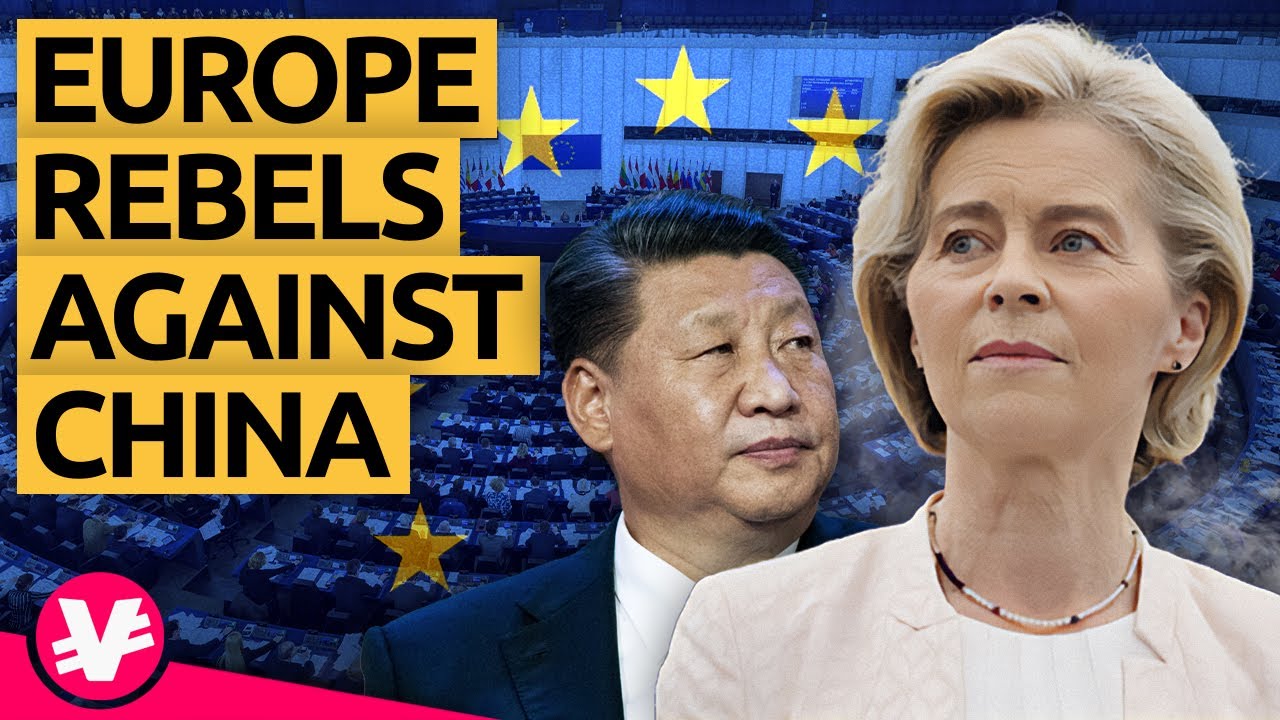
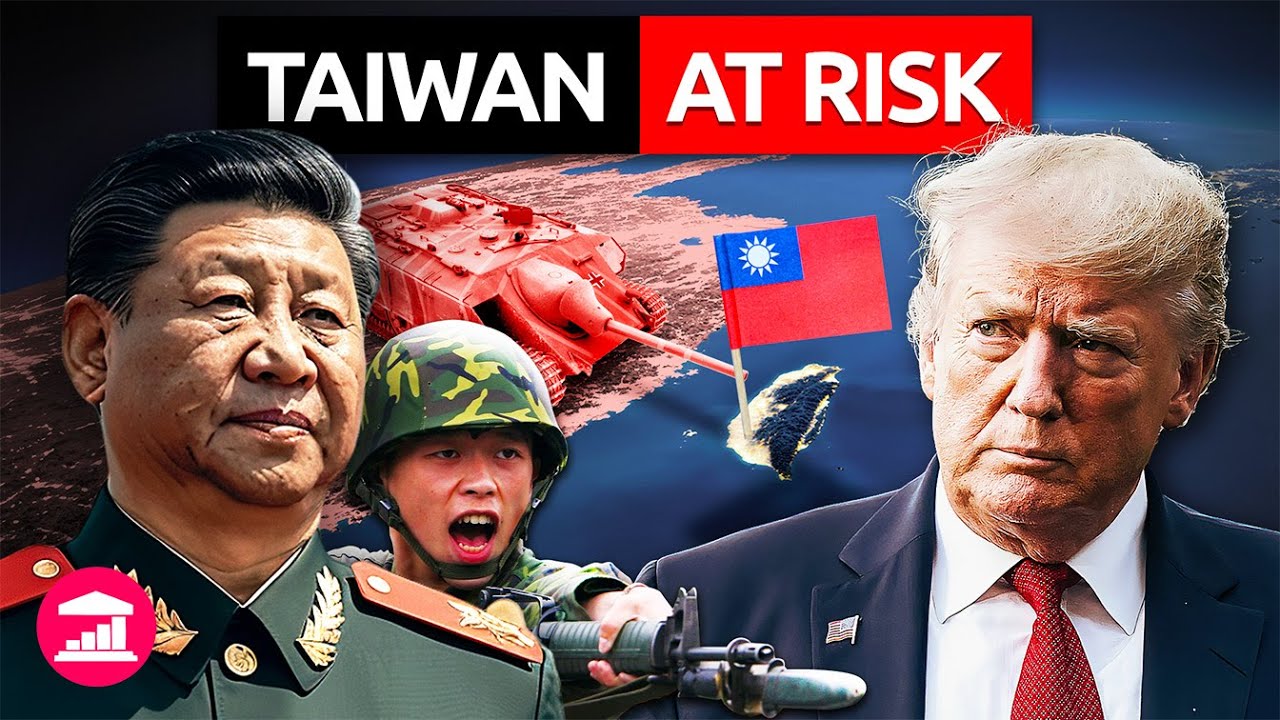
The April 2025 agreement marks another attempt to defuse the conflict. Nevertheless, the situation remains fragile. China has intensified its trade relations with countries in Southeast Asia in order to reduce its dependence on the US market. At the same time, the US is threatening new tariffs on Chinese electric vehicles, which could reignite the dispute. These developments make it clear that the tariff dispute goes far beyond pure trade policy and is deeply embedded in strategic considerations.
Economic impact
The economic consequences are being felt by both sides. In the US, higher import prices have weighed on consumers, while companies are struggling with higher costs and disrupted supply chains. China has seen its economic growth slow, but has shown resilience thanks to diversified trading partnerships. The conflict has not only damaged bilateral relations, but also reshaped the global economy as both countries seek to minimise their mutual dependence.
Conclusion: A stalemate with no winners
The tariff dispute between Trump and Xi Jinping has not produced a clear winner. Although the US was able to force some concessions, China has strengthened its strategic position through diversification and technological independence. Both countries are paying a high economic price, and the latest tariff reduction is merely a temporary truce. The conflict remains an open chapter in the rivalry between the US and China, with neither side gaining the upper hand.