Zürcher Nachrichten - Orban and Putin's Shadow Deal

EUR -
AED 4.331594
AFN 77.8451
ALL 96.422152
AMD 445.434763
ANG 2.111342
AOA 1080.97374
ARS 1707.59645
AUD 1.689141
AWG 2.124517
AZN 2.009634
BAM 1.954198
BBD 2.376751
BDT 144.201761
BGN 1.980763
BHD 0.444669
BIF 3483.076915
BMD 1.179468
BND 1.501326
BOB 8.154314
BRL 6.185598
BSD 1.180032
BTN 106.81387
BWP 15.540258
BYN 3.369837
BYR 23117.570581
BZD 2.373354
CAD 1.613872
CDF 2624.316245
CHF 0.91692
CLF 0.025718
CLP 1015.498126
CNY 8.188043
CNH 8.183933
COP 4295.622044
CRC 585.020308
CUC 1.179468
CUP 31.255899
CVE 110.174661
CZK 24.311216
DJF 210.137696
DKK 7.466456
DOP 74.365378
DZD 153.347129
EGP 55.405511
ERN 17.692018
ETB 182.7902
FJD 2.602618
FKP 0.863588
GBP 0.869392
GEL 3.172529
GGP 0.863588
GHS 12.957376
GIP 0.863588
GMD 86.69623
GNF 10356.902927
GTQ 9.051578
GYD 246.887563
HKD 9.214457
HNL 31.171758
HRK 7.531493
HTG 154.679726
HUF 379.560984
IDR 19896.443782
ILS 3.663439
IMP 0.863588
INR 106.523523
IQD 1545.692666
IRR 49685.084917
ISK 144.803603
JEP 0.863588
JMD 185.01457
JOD 0.836254
JPY 185.413536
KES 152.150702
KGS 103.144515
KHR 4753.255912
KMF 491.83787
KPW 1061.556487
KRW 1728.179926
KWD 0.36251
KYD 0.983394
KZT 586.329235
LAK 25383.186873
LBP 101611.158739
LKR 365.240518
LRD 219.380728
LSL 18.942366
LTL 3.482662
LVL 0.713448
LYD 7.457885
MAD 10.821026
MDL 19.966628
MGA 5226.761516
MKD 61.649525
MMK 2476.626868
MNT 4209.70601
MOP 9.496313
MRU 46.859776
MUR 54.325858
MVR 18.233853
MWK 2049.914963
MXN 20.462695
MYR 4.655366
MZN 75.203136
NAD 18.941996
NGN 1616.378441
NIO 43.426049
NOK 11.416795
NPR 170.901868
NZD 1.967535
OMR 0.453507
PAB 1.180032
PEN 3.965958
PGK 5.056047
PHP 69.25305
PKR 330.06556
PLN 4.216981
PYG 7810.595646
QAR 4.294738
RON 5.09483
RSD 117.413653
RUB 90.400836
RWF 1721.974164
SAR 4.423092
SBD 9.511992
SCR 16.137802
SDG 709.447773
SEK 10.625885
SGD 1.502141
SHP 0.884906
SLE 28.9557
SLL 24732.850987
SOS 674.077708
SRD 44.694753
STD 24412.60392
STN 24.480861
SVC 10.325534
SYP 13044.41343
SZL 18.942435
THB 37.412949
TJS 11.027758
TMT 4.134035
TND 3.35617
TOP 2.839875
TRY 51.353737
TTD 7.993446
TWD 37.370223
TZS 3037.129598
UAH 50.89599
UGX 4201.554905
USD 1.179468
UYU 45.482706
UZS 14466.138385
VES 445.820403
VND 30630.78102
VUV 141.167767
WST 3.215636
XAF 655.30023
XAG 0.015066
XAU 0.000243
XCD 3.187571
XCG 2.126756
XDR 0.815132
XOF 655.419584
XPF 119.331742
YER 281.096682
ZAR 19.042845
ZMK 10616.627314
ZMW 23.100059
ZWL 379.788178
  • RYCEF

    -0.0600

    16.62

    -0.36%

  • VOD

    -0.9200

    14.79

    -6.22%

  • RELX

    0.5300

    30.31

    +1.75%

  • RBGPF

    0.1000

    82.5

    +0.12%

  • SCS

    0.0200

    16.14

    +0.12%

  • NGG

    -0.9600

    86.83

    -1.11%

  • CMSC

    -0.1199

    23.5

    -0.51%

  • RIO

    -3.9600

    92.52

    -4.28%

  • BCC

    -0.8100

    89.42

    -0.91%

  • CMSD

    -0.0700

    23.8

    -0.29%

  • BCE

    -1.0100

    25.33

    -3.99%

  • GSK

    1.6100

    58.84

    +2.74%

  • JRI

    0.1800

    13.33

    +1.35%

  • BTI

    0.4050

    62.035

    +0.65%

  • BP

    -0.9200

    38.28

    -2.4%

  • AZN

    2.1950

    189.645

    +1.16%


Orban and Putin's Shadow Deal


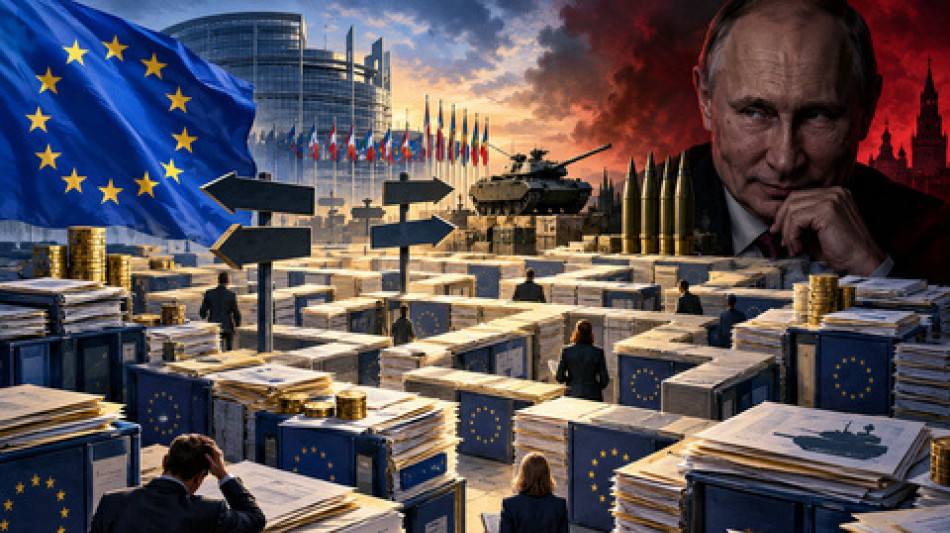
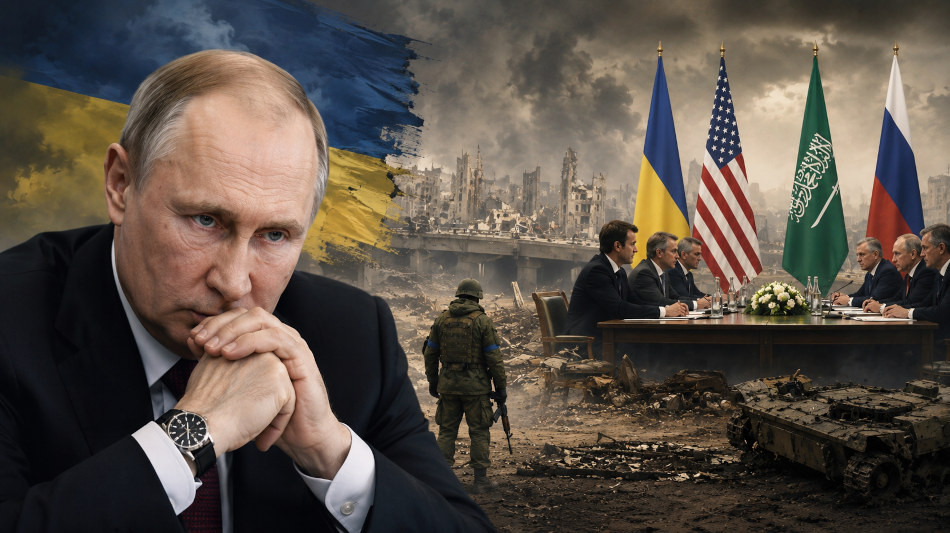
Hungarian Prime Minister Viktor Orban has long been a polarizing figure in the European Union, often clashing with Brussels over his nationalist stance and cozy relationships with authoritarian leaders. Among these, his bond with Russian President Vladimir Putin has sparked widespread unease. Their partnership, marked by secretive agreements and high-profile meetings, has cast a shadow over Hungary’s role in Europe, raising questions about its loyalty to EU principles and its implications for regional stability.

Central to this controversy are energy agreements that tie Hungary closely to Russia. Despite EU efforts to wean itself off Russian energy amid the Ukraine war, Hungary has doubled down on its dependence. In 2022, Orban locked in a long-term gas deal with Moscow, securing favorable rates for Hungary. This move has been a boon for the country’s economy but has drawn ire for propping up Russia’s finances under global sanctions and weakening Europe’s united front.

The collaboration extends beyond gas. Hungary has tapped Russia’s Rosatom to upgrade its Paks nuclear facility, a multi-billion-euro project funded largely by a Russian loan. Details of the deal remain murky, with allegations of corruption swirling around it. Observers worry that this not only deepens Hungary’s debt to Russia but also hands Putin a foothold in critical European infrastructure.

Diplomatically, Orban has stirred the pot further. In July 2024, he made an unexpected trip to Moscow to meet Putin, touting “peace talks” for Ukraine just as Hungary took the EU Council presidency. EU leaders slammed the visit, insisting Orban had no authority to speak for the bloc. Days earlier, he’d pitched a ceasefire to Ukraine’s Volodymyr Zelenskyy in Kyiv—a suggestion Kyiv dismissed as a win for Russia. Orban framed these moves as a “peace mission,” but many see them as a bid to bolster ties with Putin while playing both sides.

The Orban-Putin alliance isn’t just pragmatic—it’s rooted in shared ideology. Both leaders champion “traditional values” and reject liberal democracy, with Orban openly admiring Putin’s strongman tactics. This kinship has seen Hungary obstruct EU sanctions on Russia and stall aid to Ukraine, frustrating allies and amplifying divisions within the bloc.

The fallout is significant. Orban’s actions strain Hungary’s standing in the EU and NATO, casting doubt on its commitment to collective goals. They also signal to other populist figures that defying the EU for national gain is viable. As Europe navigates Russia’s aggression, the Orban-Putin pact remains a flashpoint, its full consequences still unfolding.