RYCEF
-0.0400
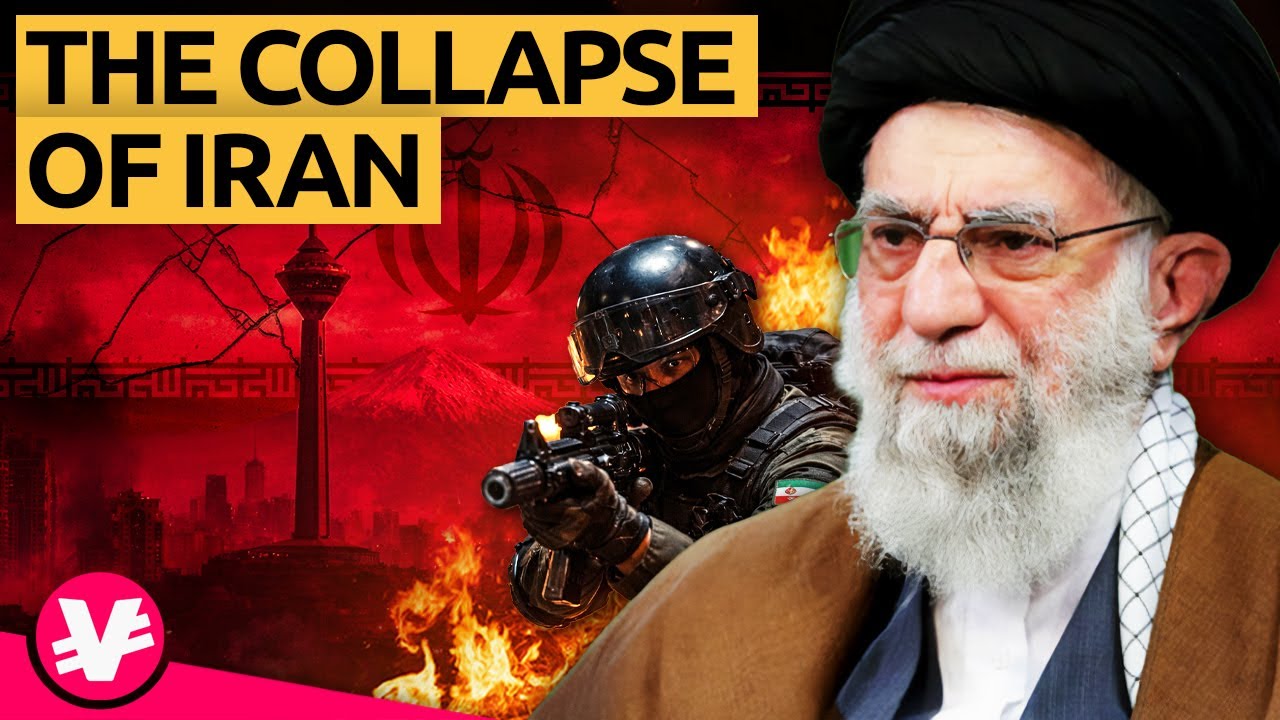
For now, Iran does not appear to be launching a formal holy war. But the question is no longer rhetorical. After the bombings that turned a long shadow conflict into an open regional war, religious language has moved from symbolic background noise toward the center of state messaging. The more important issue is not whether Tehran will suddenly summon the Muslim world into a single, borderless struggle. It is whether the Islamic Republic will fuse military retaliation, political succession, proxy activation and sacred rhetoric into a broader campaign that functions like a holy war without ever formally declaring one.
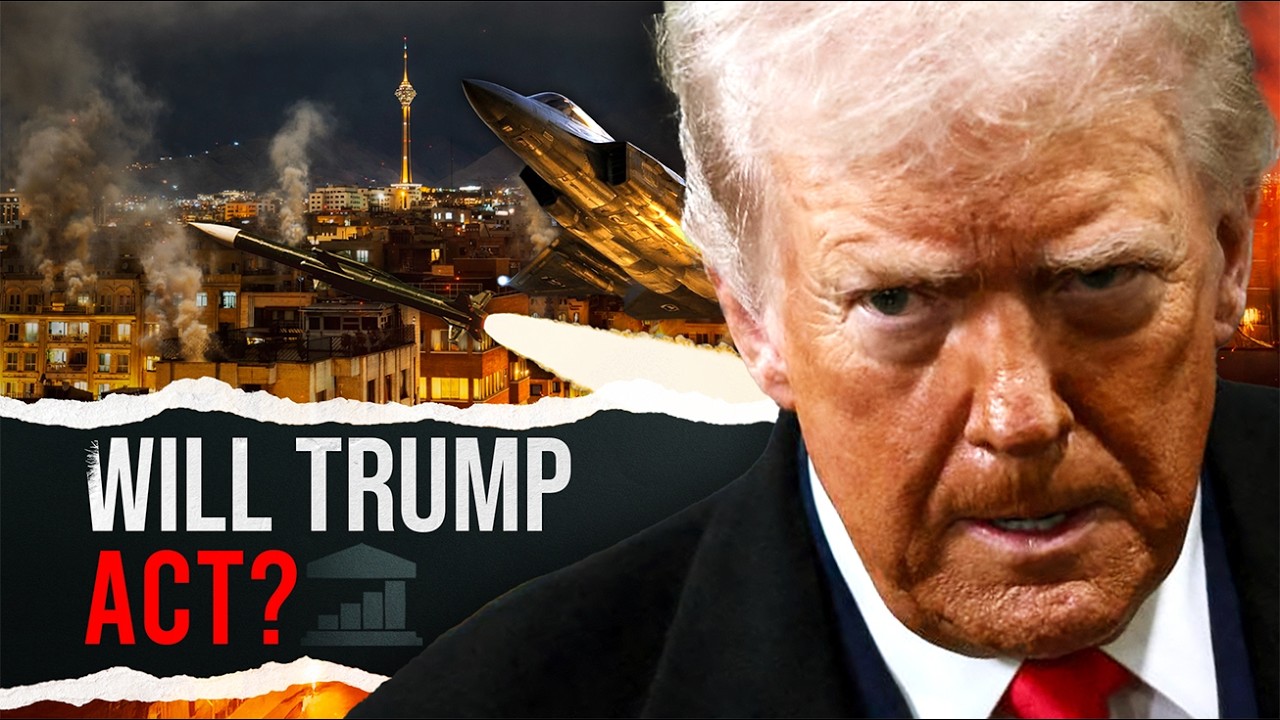
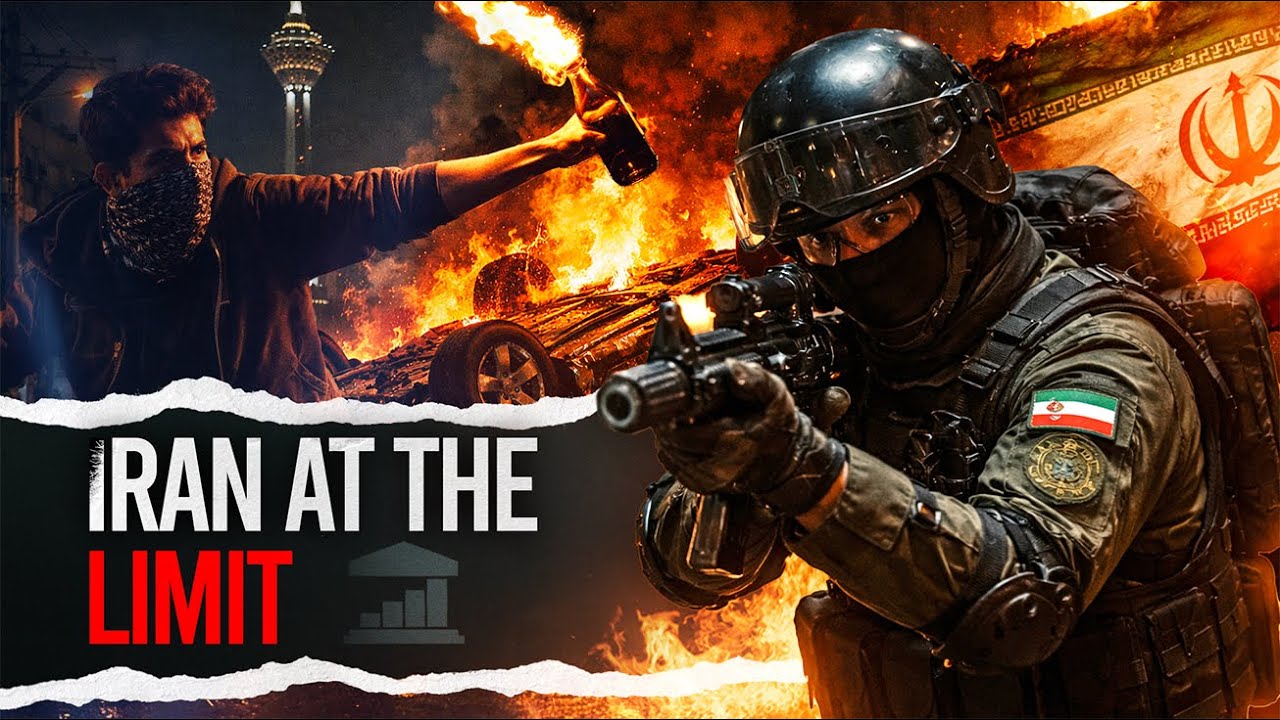
The current crisis is already historic. Since the joint U.S.-Israeli attack of February 28, which killed Supreme Leader Ali Khamenei and struck Iranian state and military targets, the conflict has spread across Israel, Lebanon, the Gulf and the energy corridors that underpin the global economy. Public death tolls inside Iran alone have climbed into the four figures. Even though international nuclear inspectors said early in the campaign that they had no indication several key nuclear installations had been hit or that radiation had spread beyond normal levels, later stages of the war clearly broadened toward oil storage, airports, command sites and urban infrastructure. This is no longer a contained deterrence exchange. It is a live contest over regime survival, regional order and strategic endurance.
That is precisely why the phrase “holy war” must be handled with care. In January, influential voices inside Iran had already warned that any attack on the Supreme Leader would amount to a declaration of war against the wider Islamic world and could require a jihad decree. That language mattered then, and it matters even more now because the red line was crossed. Tehran can plausibly argue to its own hard-line base that the highest religious and political authority in the Islamic Republic was not merely challenged but assassinated. In ideological terms, that transforms retaliation from a policy choice into a sacred obligation. In political terms, it gives hard-liners a ready-made framework for widening the war.
Yet rhetoric is not the same as doctrine, and doctrine is not the same as operational behavior. Iran’s response so far looks less like an uncontrolled call to universal religious uprising than a grim, state-directed campaign of calibrated punishment. Tehran has struck back with missiles, drones, maritime pressure and pressure on regional hosts of U.S. military power. It has also tried to impose costs on the world economy by turning the Gulf and the Strait of Hormuz into instruments of leverage. This is not the behavior of a leadership abandoning strategy for blind zeal. It is the behavior of a regime trying to survive by making the war too costly, too wide and too economically dangerous for its enemies to sustain indefinitely.
That distinction matters. A genuine, formal holy war would imply a sweeping call for open-ended religious mobilization across borders, one that subordinates ordinary state interests to an all-consuming theological struggle. Iran has not done that in any clear, universal sense. It has instead behaved as a revolutionary state that uses sacred language to reinforce legitimacy, discipline supporters and justify retaliation. That model predates the current crisis. The Islamic Republic has always blended theology, nationalism, martyrdom culture, anti-Western resistance and hard security logic. The bombings have intensified that blend, but they have not erased the regime’s instinct for calculation.
The strongest evidence against an immediate full holy-war scenario is inside Iran itself. The system’s first imperative has not been global mobilization; it has been continuity. Even after decapitation strikes, the state moved to preserve command structures, delegate powers downward and push the Assembly of Experts toward selecting a successor. By March 8, that succession process had reportedly advanced to the point where a decision had been reached, even if the name had not yet been publicly revealed. That is a survival reflex. Regimes preparing for limitless religious war do not usually prioritize constitutional succession, elite cohesion and internal control. Regimes fighting for their lives do.
Iran’s regional behavior also shows tension between ideological fury and strategic restraint. President Masoud Pezeshkian’s apology to Gulf neighbors was extraordinary, not because it ended the war, but because it exposed the conflict inside Tehran’s own response. On one side sits the logic of escalation: punish every state that hosts U.S. forces, widen the crisis, raise oil prices, frighten shipping markets and prove that the bombardment of Iran cannot remain geographically contained. On the other side sits the logic of isolation avoidance: do not drive every Arab state irreversibly into the opposing camp, do not convert every neighbor into an active launchpad for anti-Iran operations, and do not make regime survival impossible by fighting the entire region at once.
This internal contradiction is one reason the phrase “holy war” can mislead. What is unfolding is more dangerous in practical terms and more limited in formal terms. Iran may never issue a clean, universal call for a civilizational war against all enemies of Islam, yet it can still encourage clerical sanction, mobilize militias, inspire cross-border attacks, bless cyber retaliation, empower covert cells and unleash proxy violence under a sacred frame. That would be a hybrid escalation: not a single global summons, but a diffuse religious legitimization of a long, dirty regional war. For civilians, ports, airports, desalination plants, shipping lanes and energy markets, the difference may feel almost academic.
The role of Iran’s allied armed networks reinforces that point. Hezbollah has entered the conflict, but not from a position of unchallenged strength. Its intervention has deepened political strain in Lebanon and highlighted how even Iran’s most loyal partners are balancing solidarity against self-preservation. Other aligned groups face similar pressures. The so-called axis can still hurt Israel, U.S. assets and regional infrastructure, but it is not a frictionless machine awaiting one theological command to move in perfect unity. The more Tehran leans on proxies, the more it reveals that its preferred method remains layered coercion, not a single dramatic declaration of holy war.
There is also a sectarian and geopolitical reality that limits the holy-war model. The Muslim world is not a single mobilizable bloc waiting for instructions from Tehran. Iran is a Shiite theocratic state with revolutionary ambitions, but its appeal across Sunni-majority states is uneven at best and sharply contested at worst. Gulf monarchies, already targeted by Iranian missiles and drones, are not natural participants in an Iranian-led sacred struggle. Many of them fear Tehran at least as much as they oppose the bombing campaign against it. That means Iran’s religious messaging may galvanize sympathizers, militants and ideological fellow travelers, but it is unlikely to unify the wider Islamic world behind one war banner.
Still, dismissing the danger would be a grave mistake. The holy-war language matters because words can widen the menu of violence. Once a conflict is framed as sacred defense rather than national retaliation alone, thresholds can drop. Assassinations, sabotage, maritime attacks, strikes on civilian-linked infrastructure and violence by semi-deniable actors all become easier to justify. A state under bombardment, mourning its supreme leader and fighting for institutional survival may decide that conventional retaliation is not enough. If Tehran concludes that it cannot win symmetrically, it may authorize a looser, more ideological pattern of warfare stretching from the Gulf to the Mediterranean and beyond.
The economic front is equally important. Iran understands that energy fear can be weaponized. Even limited disruption in the Strait of Hormuz sends shockwaves through insurance, shipping, aviation and inflation expectations worldwide. That leverage is politically valuable because it turns a military confrontation into a global pressure campaign. A formal holy war would demand maximal ideological mobilization. A survival war, by contrast, rewards selective disruption, ambiguity and controlled chaos. Tehran’s actions so far fit the second model more closely than the first.
This is why the most serious answer to the headline question is not a simple yes or no. Iran is unlikely to launch a classic holy war in the simplistic sense of a formal, total religious call to arms that instantly unites the Muslim world under its banner. But it is already moving toward something more contemporary and, in some ways, more destabilizing: a war of survival wrapped in sacred legitimacy, regional coercion and asymmetric retaliation. The bombings have not merely invited revenge. They have strengthened the argument of those in Tehran who believe compromise invites death and that only resistance sanctified by faith can preserve the system.
So the real risk is not that Iran suddenly abandons strategy for theology. The real risk is that strategy and theology fuse more tightly than before. If that fusion hardens, the war will not remain a sequence of missile exchanges and air raids. It will become a broader contest over succession, legitimacy, energy, maritime freedom, proxy warfare and the right to define resistance as a religious duty. In that environment, the phrase “holy war” may remain officially ambiguous, but its practical effects could become visible across the entire region.