RBGPF
-1.5200
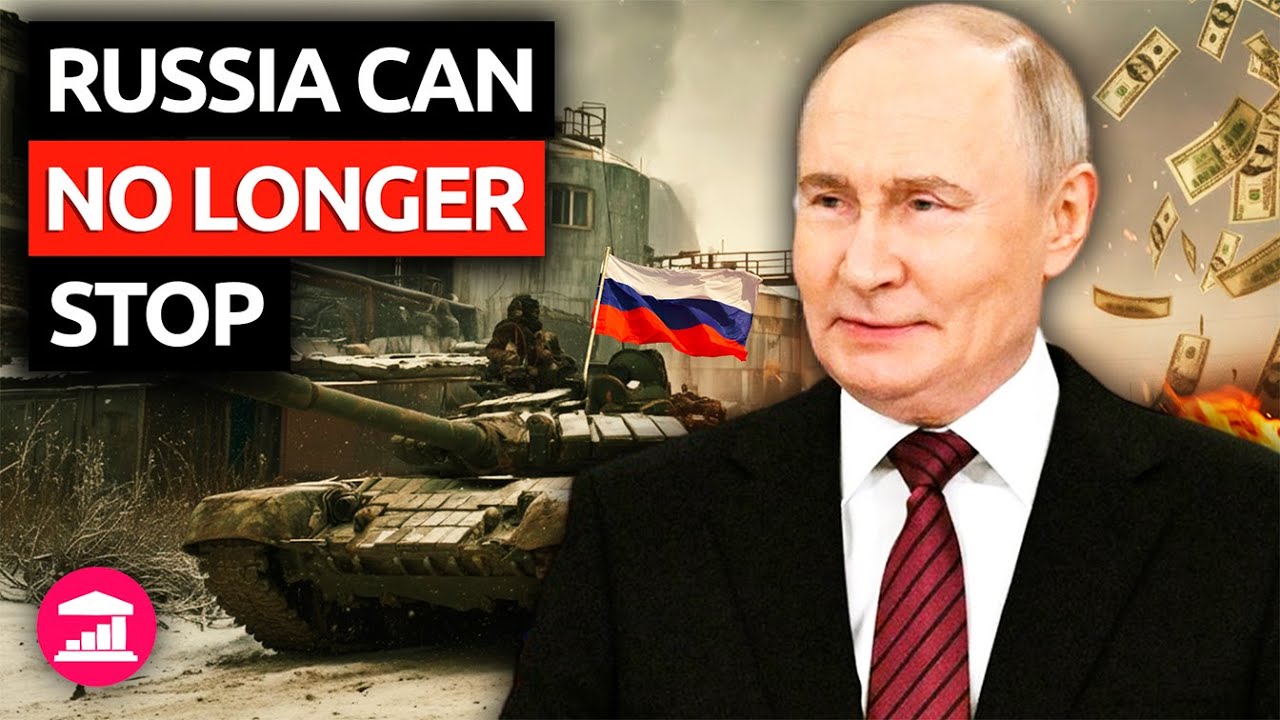
For years, Moscow positioned itself as the standard‑bearer of de‑dollarization. After Western sanctions were imposed in 2022, the Kremlin accelerated efforts to settle trade in local currencies, expanded gold reserves and championed alternative payment systems within the bloc of major emerging economies known as BRICS. Senior officials boasted that the age of the greenback was ending, and state media presented the shift as a moral stand against Western financial hegemony.
That narrative now faces an extraordinary test. According to an internal government memorandum circulated among senior officials early this year and reported by multiple media outlets, Russia is exploring a broad economic rapprochement with the United States in return for sanctions relief and progress on a settlement in Ukraine. The document lists seven areas of potential cooperation, from fossil fuels and natural gas to offshore oil exploration and strategic minerals. The most striking element is Moscow’s readiness to re‑enter the dollar settlement system—a reversal of the policy that has underpinned its eastward economic pivot.
De‑dollarization and the BRICS currency dream
Russia’s push to reduce dependence on the U.S. dollar has been most visible in its trade with China. By mid‑2023, President Vladimir Putin told a St Petersburg business forum that more than four‑fifths of bilateral trade was being settled in rubles and yuan, noting that reliance on the dollar exposed both sides to risks and costs. The trend accelerated: at the Boao Forum for Asia in March 2024, Deputy Prime Minister Alexei Overchuk said around 92 percent of trade settlement between Russia and China was being conducted in the two countries’ currencies. Bilateral trade volumes reached $240 billion in 2023, up sharply from the previous year, and the share of deals using local currencies climbed from a quarter in 2021 to two‑thirds in 2023.
These shifts were part of a broader agenda within BRICS. At the bloc’s summit in Kazan in October 2024, leaders discussed the idea of creating a new reserve currency backed by a basket of their national currencies. On stage, Mr Putin held up a prototype banknote meant to symbolise a BRICS currency. Yet he struck a conciliatory note, stressing that the goal was not to “refuse or fight the dollar” but to prevent its “weaponization” by developing mechanisms for local‑currency trade. Officials from other member states expressed similar caution. The bloc’s New Development Bank made clear there was “no suggestion right now” of launching a new currency.
Within BRICS, the shift away from the dollar has been uneven but significant. Roughly 60–67 percent of intra‑BRICS trade is now estimated to be settled in local currencies, according to government data. Russia’s bilateral trade with China and India is said to be 90–95 percent denominated in rubles, yuan and rupees. However, the dollar still accounts for about 88–89 percent of global foreign exchange transactions and remains the dominant currency for energy and commodity trading. Energy contracts are largely priced in dollars, and global capital markets continue to operate primarily in the U.S. currency.
A leaked memo and a potential U.S. deal
Against this backdrop, the leaked Kremlin memorandum marks a dramatic change of tone. The document proposes an “energy dominance” partnership in which the United States and Russia would transition from rivals to partners, focusing on joint investments in liquefied natural gas, offshore drilling and the development of critical minerals such as palladium and nickel. In exchange for a peace framework in Ukraine and the easing of sanctions, Moscow would re‑open its economy to American firms and return to dollar‑denominated trade. The memo describes this shift as an economic realignment rather than a symbolic gesture, arguing that reintegration into the dollar system would expand Russia’s access to global liquidity, lower transaction costs and stabilise its currency markets.
Such a pivot would reverse years of painstaking efforts to insulate Russia from U.S. financial pressure. Since 2022, nearly 90 percent of Russia’s trade with China and India has been settled in national currencies, and the share of local‑currency settlement across BRICS has climbed steadily. Russia’s removal from the SWIFT financial messaging system forced banks to adopt alternative channels. Returning to the dollar would restore access to deep capital markets but would also reintroduce exposure to potential U.S. sanctions and financial surveillance.
Why Moscow might turn back
Analysts point to several reasons why the Kremlin might consider embracing the dollar once more. First, the de‑dollarization drive has increased Russia’s dependence on China. Using the yuan binds Moscow to a partner whose economic clout far exceeds its own, giving Beijing significant leverage. The leaked memo implicitly acknowledges this imbalance by proposing diversification through renewed engagement with the United States. Second, the dollar’s dominance in global trade and finance remains overwhelming. According to central bank data, the greenback makes up the majority of foreign exchange reserves and still facilitates most energy transactions. Re‑entering dollar‑based systems would improve liquidity for Russian businesses and help stabilise the ruble, which has seen volatile swings against the U.S. currency.
A return to dollar settlements could also serve as a bargaining chip. Moscow may hope to leverage its willingness to rejoin the U.S. financial architecture to secure sanctions relief and concessions on Ukraine. In this interpretation, the memo is less a repudiation of BRICS than a pragmatic negotiation tactic. It signals openness to compromise without committing to immediate policy changes. The Kremlin has not publicly confirmed the document’s authenticity, and officials have said that any agreement would depend on complex diplomatic alignments and legislative approval in Washington.
Strains on BRICS and relations with Beijing
Even the suggestion of a dollar comeback has unsettled other BRICS members. China has invested heavily in internationalising the yuan, and India has expanded rupee settlements. A Russian about‑face would slow the momentum behind alternative payment systems and cast doubt on proposals like BRICS Pay. It could also introduce friction within the bloc: Brazil, South Africa and Saudi Arabia have backed gradual de‑dollarization as a means of strengthening economic sovereignty. For them, Russia’s shift might look like a betrayal of a shared agenda.
The move could have significant geopolitical consequences for Russia’s relationship with China. Beijing has been Moscow’s lifeline since the invasion of Ukraine, purchasing discounted oil and gas and providing access to technology. In return, Moscow has become more reliant on Chinese investment and currency channels. A pivot toward the dollar risks antagonising China and weakening a partnership that both sides describe as a “no‑limits” friendship. Some observers suggest that the Kremlin is betting it can balance ties with Washington and Beijing or at least extract concessions from both.
An uncertain path ahead
For now, Russia remains deeply integrated into the Chinese economic sphere. Trade in local currencies continues to expand, and the BRICS countries have not abandoned the idea of enhancing payment mechanisms independent of the U.S. dollar. The leaked memo is a reminder that geopolitical strategies are shaped as much by pragmatism as by ideology. Moscow’s de‑dollarization campaign has always been about hedging against Western pressure rather than declaring a clean break. If sanctions were lifted and economic incentives aligned, a return to the dollar would be less ideological surrender than tactical adjustment.
Still, the implications are profound. Should Russia re‑enter dollar‑based trade, it would signal that even a leading advocate of alternative currencies sees advantages in the existing system. It would test the cohesion of BRICS and force Beijing to reassess the balance of power within the partnership. Above all, it underscores the resilience of the greenback: despite repeated predictions of its decline, the U.S. dollar remains the anchor of global finance, and even those who challenge it may find themselves drawn back into its orbit.