CMSC
0.0000
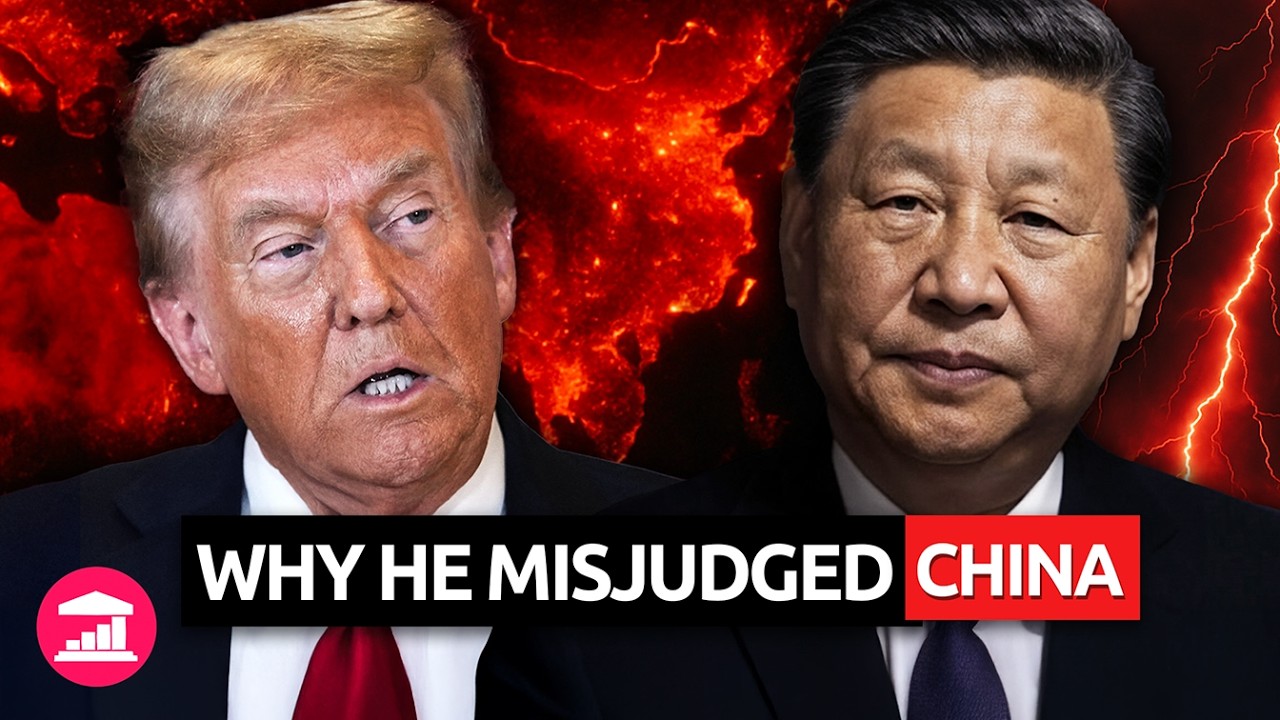
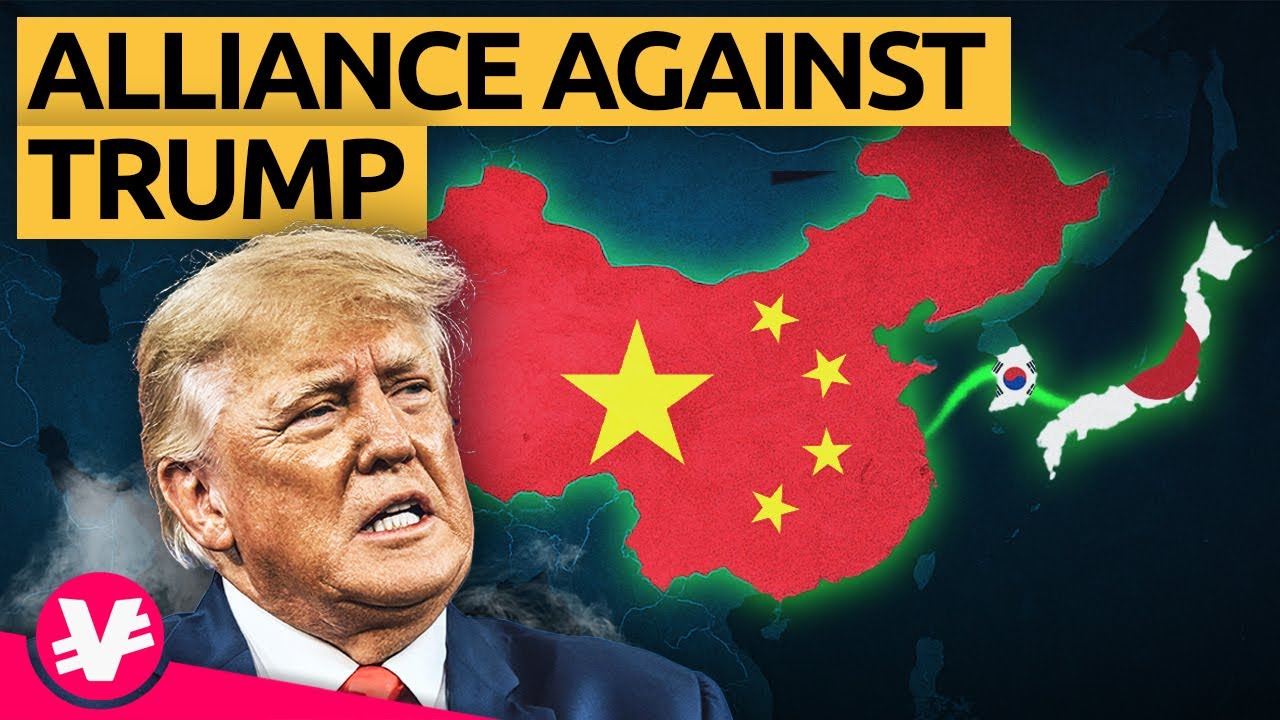
As tensions in the Taiwan Strait continue to simmer, foreign policy experts are exploring a hypothetical scenario: If China were to launch a military attack on Taiwan, would a newly re-elected President Donald Trump intervene with the full might of the U.S. armed forces to defend the island? This question underscores the complex interplay of regional alliances, global power dynamics, and the unpredictability of American politics.
Setting the Stage: China’s Military Ambitions
Historical Context:
China regards Taiwan as a breakaway province destined for reunification—by force if necessary.
Modern Capabilities:
The People’s Liberation Army (PLA) has accelerated its modernization program, including advancements in naval power, ballistic missiles, and air force technology.
Regional Impact:
An attack on Taiwan could destabilize not only East Asia but also the global economy, given Taiwan’s crucial role in semiconductor manufacturing and maritime trade routes.
The Trump Factor: A New Administration’s Possible Response
Campaign Promises and Rhetoric:
Donald Trump has a record of strong nationalist rhetoric, emphasizing American military strength. If re-elected, he might lean into campaign pledges to protect U.S. interests abroad, including key allies and partners.
Previous Policies on China:
In his earlier administration, Trump took a hardline stance against Beijing on trade, technology, and security. This history suggests he could respond forcefully if China initiates open conflict.
Alliance with Taiwan:
Although the U.S. does not maintain formal diplomatic ties with Taipei, it is bound by the Taiwan Relations Act to provide defensive support. A President Trump might interpret this as a mandate to escalate, including mobilizing U.S. forces.
Potential Military Scenarios
Naval Blockade:
The U.S. Navy could intervene by establishing a defensive perimeter around Taiwan, deterring Chinese amphibious assaults. Warship deployments to the region would send a clear signal of U.S. resolve, but also increase the risk of direct engagement.
Air Superiority Campaign:
If China’s air force attempted to dominate the skies over Taiwan, the U.S. Air Force and Navy’s carrier air wings could provide critical support to Taiwan’s defense. This scenario would significantly escalate hostilities, potentially leading to sustained aerial combat.
Economic and Cyber Warfare:
Rather than committing large numbers of troops, Trump could opt for widespread sanctions on China, coupled with cyber operations to disrupt PLA communication and logistics. This approach would be aggressive yet potentially less risky than a full-scale military confrontation.
Risks and Global Ramifications
Escalation to Major Conflict:
Direct clashes between the U.S. and China could spiral rapidly, raising concerns about nuclear brinkmanship.
Economic Fallout:
Heightened tensions may lead to severe disruptions in global supply chains, especially regarding technology and semiconductor industries.
International Alliances:
A U.S. military response would likely draw in regional allies such as Japan, South Korea, and Australia, with NATO partners possibly offering political or limited logistical support.
Diplomatic Alternatives
Negotiated Settlements: Even in a crisis, there might be space for last-minute talks hosted by neutral countries or facilitated by international bodies like the United Nations. Multinational Coalitions: The U.S. might seek to build coalitions with allies in Europe and Asia to present a united front, pressuring Beijing to halt aggression.
Conclusion: An Uncertain Future
Should China take the drastic step of attacking Taiwan, the question of American intervention under a potential new Trump administration looms large. Historical precedent—along with Trump’s combative stance on foreign policy—suggests a robust response could follow. Yet the costs, both human and economic, would be staggering for all sides involved.
In this hypothetical scenario, much depends on Beijing’s calculations of risk versus reward, as well as Trump’s willingness to gamble on a major conflict to assert U.S. influence and uphold a promise to protect American allies. Ultimately, the future of Taiwan’s sovereignty could hinge on whether deterrence succeeds—or if the world’s two largest economies find themselves at the brink of war.