Zürcher Nachrichten - Europe, Germany and the end of the euro?

EUR -
AED 4.231751
AFN 75.467314
ALL 92.900234
AMD 421.579649
AOA 1057.663813
ARS 1719.831727
AUD 1.63136
AWG 2.073851
AZN 1.960153
BAM 1.953299
BBD 2.320229
BDT 141.869566
BHD 0.434447
BIF 3444.019784
BMD 1.15214
BND 1.474
BOB 13.587719
BRL 5.96417
BSD 1.152025
BTN 109.762401
BWP 15.508007
BYN 3.440564
BYR 22581.937562
BZD 2.316953
CAD 1.606457
CDF 2621.117258
CHF 0.937376
CLF 0.026766
CLP 1053.366728
CNY 7.77153
CNH 7.773452
COP 3622.407777
CRC 523.32987
CUC 1.15214
CUP 30.531701
CVE 110.12494
CZK 24.235488
DJF 204.758625
DKK 7.475739
DOP 67.263285
DZD 153.111305
EGP 57.859069
ERN 17.282095
ETB 186.3454
FJD 2.549628
FKP 0.852639
GBP 0.853914
GEL 3.012891
GGP 0.852639
GHS 13.190224
GIP 0.852639
GMD 84.683504
GNF 10120.128893
GTQ 8.789668
GYD 241.063408
HKD 9.041151
HNL 30.878192
HRK 7.53281
HTG 150.685737
HUF 364.317508
IDR 20584.127372
ILS 3.432339
IMP 0.852639
INR 109.941199
IQD 1509.154411
IRR 1583846.406731
ISK 142.012127
JEP 0.852639
JMD 182.378046
JOD 0.816847
JPY 183.76916
KES 148.937198
KGS 100.754493
KHR 4664.985941
KMF 491.963645
KRW 1634.091838
KWD 0.356229
KYD 0.960062
KZT 536.39848
LAK 25992.941338
LBP 103163.593209
LKR 385.086892
LRD 209.094067
LSL 18.614103
LTL 3.401969
LVL 0.696918
LYD 7.347655
MAD 10.700691
MDL 19.970255
MGA 4957.694644
MKD 61.451311
MMK 2419.42051
MNT 4143.86086
MOP 9.311557
MRU 46.046437
MUR 54.231251
MVR 17.800323
MWK 1997.659312
MXN 19.657572
MYR 4.706947
MZN 73.047746
NAD 18.614103
NGN 1569.283048
NIO 42.396079
NOK 10.945782
NPR 175.616597
NZD 1.967284
OMR 0.44301
PAB 1.152035
PEN 3.893448
PGK 5.095519
PHP 70.616929
PKR 320.000236
PLN 4.306065
PYG 6874.257098
QAR 4.200058
RON 5.237588
RSD 117.315462
RUB 95.515329
RWF 1696.912355
SAR 4.320934
SBD 9.292053
SCR 15.995305
SDG 691.858137
SEK 11.045154
SGD 1.475522
SLE 28.227902
SOS 658.351259
SRD 43.400894
STD 23846.96504
STN 24.468668
SVC 10.08018
SZL 18.596026
THB 38.158292
TJS 10.656247
TMT 4.04401
TND 3.382668
TRY 55.01859
TTD 7.813063
TWD 37.156163
TZS 3053.167851
UAH 51.475239
UGX 4273.527697
USD 1.15214
UYU 46.371024
UZS 13775.4799
VES 875.931701
VND 30018.423072
VUV 136.462653
WST 3.14533
XAF 655.112435
XAG 0.017615
XAU 0.000262
XCD 3.113715
XCG 2.076241
XDR 0.814453
XOF 655.123792
XPF 119.331742
YER 273.288894
ZAR 18.611975
ZMK 10370.638247
ZMW 21.681425
ZWL 370.988504
  • RBGPF

    2.2800

    72.16

    +3.16%

  • CMSC

    0.0400

    21.48

    +0.19%

  • BCC

    -1.9500

    83.58

    -2.33%

  • RELX

    -0.8750

    34.495

    -2.54%

  • BTI

    -0.8000

    56.01

    -1.43%

  • GSK

    -0.4800

    50.42

    -0.95%

  • BP

    -0.0850

    43.075

    -0.2%

  • RIO

    0.1100

    101.1

    +0.11%

  • JRI

    0.0020

    12.732

    +0.02%

  • NGG

    0.5200

    80.79

    +0.64%

  • BCE

    -0.3800

    22.99

    -1.65%

  • RYCEF

    -0.0200

    20.55

    -0.1%

  • CMSD

    -0.0100

    21.62

    -0.05%

  • VOD

    0.1800

    16.08

    +1.12%

  • AZN

    -0.0900

    158.66

    -0.06%


Europe, Germany and the end of the euro?


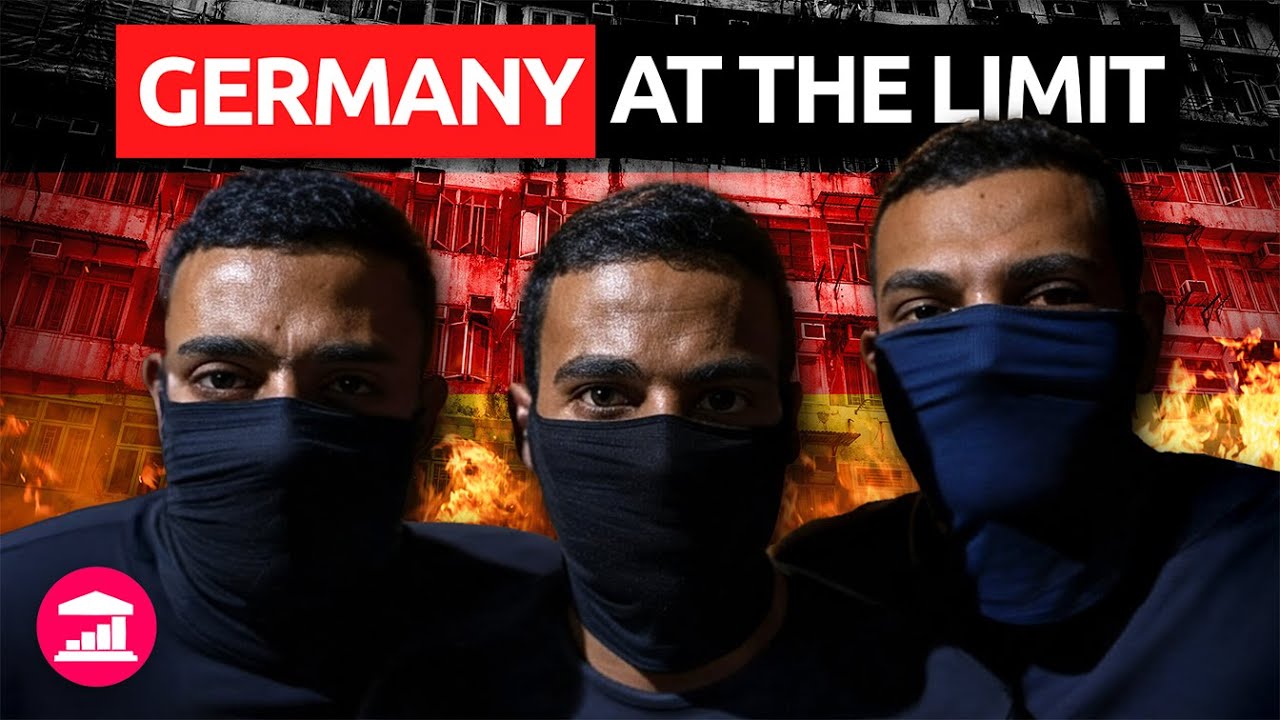
European policymakers and financial experts alike are expressing growing alarm at the prospect of a prolonged economic crisis in Germany, fearing it could jeopardise the stability of the eurozone. Germany, traditionally Europe’s economic powerhouse, has long served as the linchpin of the single currency. Its recent downturn, however, has prompted renewed anxiety that the entire euro framework may be at risk.

Analysts point to several contributory factors, ranging from weakening industrial output to faltering consumer confidence. Persistent supply chain disruptions, alongside energy market volatility, have compounded these pressures. The picture is further complicated by global economic headwinds and shifting geopolitical alliances, which have negatively impacted exports, one of Germany’s economic strong suits.

“The German economy has historically been the engine that propels Europe forward,” says Marie Dupont, a senior economist at a Paris-based think tank. “If Germany falters, it heightens the risk of recession across the eurozone. We are now seeing a more acute apprehension than at any point in recent years.”

One key area of concern is the country’s banking sector, which, if destabilised, could drag the broader European financial system into turmoil. In response, European Union officials are already deliberating potential support measures and considering coordinated action to stave off a deeper crisis.

Critics, however, point to what they regard as complacency in Berlin. Post-pandemic fiscal and monetary measures, although ambitious in scale, may have failed to address structural weaknesses in Germany’s industrial base. Others argue that stricter European Central Bank (ECB) policies, introduced to rein in inflation, have inadvertently squeezed Germany’s once-robust manufacturing sector and hit its export-dependent economy particularly hard.

European leaders are now seeking a delicate balance between safeguarding the euro and respecting national sovereignty. Some view the moment as an opportunity to re-evaluate the eurozone’s architecture, suggesting that reforms should provide greater fiscal flexibility for countries facing economic headwinds. Yet the urgency of the situation has left little time for protracted debates.

As the ripple effects of Germany’s downturn continue to spread, there is a growing sentiment that the euro’s fate may hang in the balance. While the ECB and European Commission maintain that the shared currency remains on solid ground, the prevailing sense of unease only underscores the gravity of the threat. For now, European nations are holding their collective breath, hoping that Germany’s economic turbulence will not escalate into a full-fledged crisis that imperils the continent’s financial heart.