CMSC
0.0000
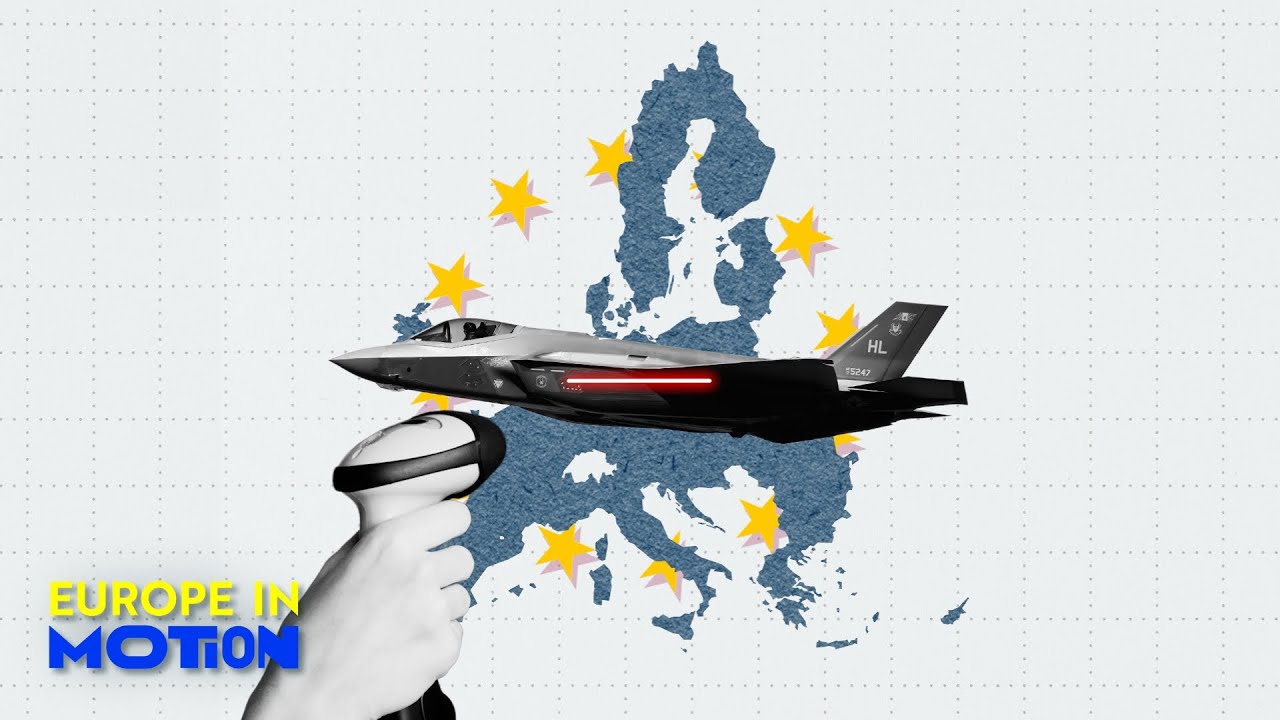
The European Union has unveiled an ambitious plan to allocate €800 billion towards bolstering its defence capabilities, a move widely interpreted as a strategic response to escalating tensions with Russia. Announced by European Commission President Ursula von der Leyen, this initiative aims to transform the EU into a formidable "defence union," shifting its economic priorities towards what some analysts have dubbed a "war economy." The decision, detailed in a recent strategic white paper, comes amid growing concerns over Russia’s military assertiveness, particularly following its ongoing aggression in Ukraine and perceived threats to NATO’s eastern flank.
The €800 billion package, to be rolled out over the coming years, includes €150 billion in EU loans and significant exemptions from the bloc’s stringent debt rules, allowing member states to finance military enhancements without breaching fiscal limits. According to sources cited by the Deutsche Presse-Agentur (DPA), the funds will target seven key areas, including air defence, cyber capabilities, and military intelligence, aiming to close critical gaps in Europe’s defence infrastructure. "If Europe wants to avoid war, it must be prepared for war," the white paper states, echoing a sentiment of deterrence through strength.
Russia’s reaction has been swift and critical. Kremlin spokesperson Dmitry Peskov accused Europe of "aggressive militarism," a charge that carries irony given Russia’s own allocation of nearly 40% of its state budget to military spending in 2025. Russian President Vladimir Putin has overseen a dramatic shift to a war economy since the invasion of Ukraine in 2022, with the country reportedly producing three million artillery shells annually—outpacing the combined output of NATO’s 32 members. This disparity in production capacity has fuelled European fears that Russia could sustain prolonged conflicts, potentially eyeing targets beyond Ukraine, such as the Baltic states or Poland.
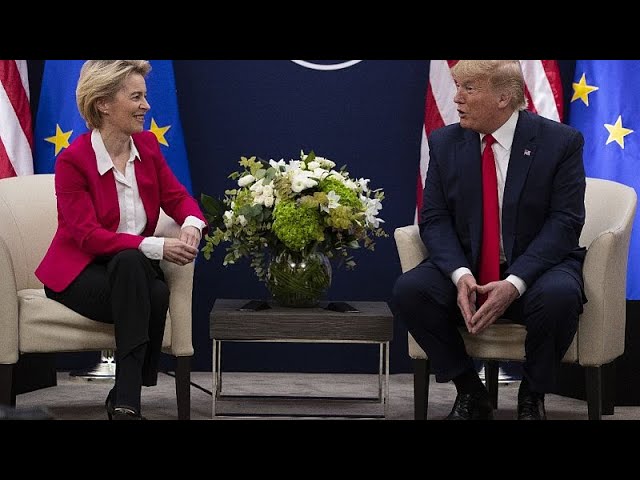
The EU’s move also reflects unease over its reliance on the United States, particularly following uncertainties surrounding American support under a potential Donald Trump presidency. While earlier drafts of the white paper explicitly warned of over-dependence on the US, these references were softened in the final version after interventions from von der Leyen’s cabinet, as reported by DPA. Nonetheless, the €800 billion commitment underscores a push for strategic autonomy, with investments channelled into European-made defence systems to reduce external vulnerabilities.
Critics within the EU, however, question the feasibility and implications of such a shift. Transforming a civilian economy into one geared for war requires significant market interventions, a prospect that has raised doubts about political willingness and economic sustainability. The precedent of the United States during World War II—where private industries were placed under strict government oversight—looms large, yet Europe’s fragmented political landscape may complicate such coordination. Furthermore, the redirection of resources comes at a time when the EU is already grappling with energy transitions and post-pandemic recovery, with the €672 billion European Recovery Fund serving as a recent benchmark for large-scale spending.
Public sentiment, particularly in Germany, reflects growing anxiety. A Shell Youth Study cited by rbb-online.de found that the threat of war is now the top concern among young Germans, with fears of conscription and displacement driving calls for preparedness. NATO’s ongoing "Steadfast Defender" exercises, involving 90,000 troops, and the upcoming "Nordic Response" manoeuvre underscore this urgency, simulating defensive operations against a Russian incursion.
While the €800 billion figure is a political statement of intent, its implementation remains uncertain. Analysts note that it may take months, if not years, for funds to translate into tangible military assets. For now, the EU hopes this bold financial pledge will serve as a deterrent, projecting strength to Moscow while navigating internal divisions and external dependencies. Whether it instils fear in Russia or merely galvanises Europe’s resolve, the stakes for the continent’s security have rarely been higher.