RBGPF
1.6000
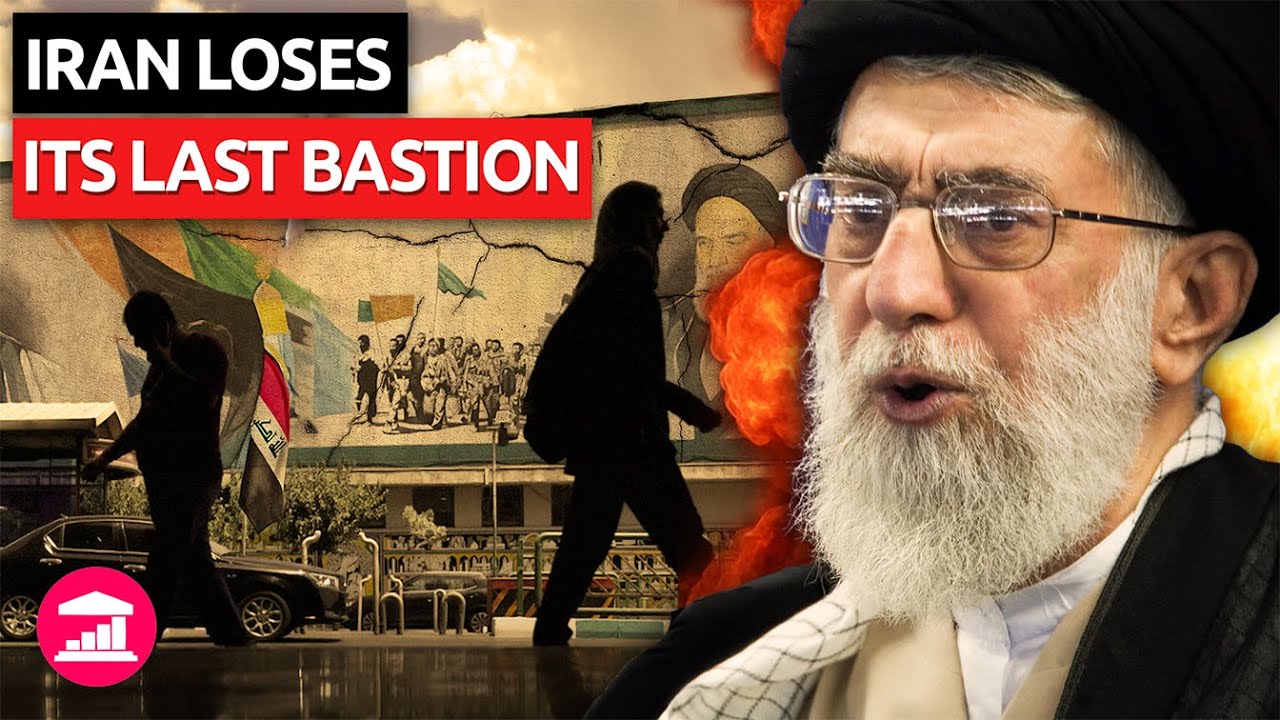
Iran faces a dilemma: should it abandon its controversial nuclear programme in order to avoid international sanctions and avert a possible military conflict, or should it continue to insist on its right to peaceful use of nuclear energy, even if this increases the risk of war? This question has preoccupied the international community for years, and tensions have recently risen again.
Iran's nuclear programme began in the 1950s with US support under the ‘Atoms for Peace’ programme. In 1967, another reactor was delivered from the US, and in 1970 Iran ratified the Nuclear Non-Proliferation Treaty (NPT). However, after the Islamic Revolution in 1979, the programme was secretly continued. In 2002, undeclared nuclear activities were discovered, leading to an investigation by the International Atomic Energy Agency (IAEA) and international sanctions.
In 2015, the Joint Comprehensive Plan of Action (JCPOA) was signed, in which Iran committed to limiting its nuclear programme in exchange for the lifting of sanctions. In 2018, the United States withdrew from the agreement under President Trump and imposed new sanctions. Iran then began to exceed the limits set out in the JCPOA.
According to recent IAEA reports, Iran has significantly expanded its uranium enrichment. In February 2025, the country had just under 275 kilograms of uranium enriched to 60 per cent. Experts estimate that Iran is only a few months away from having enough fissile material for a nuclear bomb. According to US officials and IAEA experts, Iran has enough enriched uranium for at least three nuclear bombs and could build a primitive bomb within a few months.
Despite the tensions, efforts are being made to find a diplomatic solution. In April 2025, indirect talks between the US and Iran took place in the Sultanate of Oman. Both sides spoke of a ‘constructive and positive atmosphere’. However, Iran rejects direct negotiations with the US and insists that the US must first lift sanctions. A senior Iranian official, Ali Shamkhani, rejected a US offer to allow Iran to have a civilian nuclear programme similar to that of the UAE, arguing that Iran would not give up its right to enrich uranium. Despite the negotiations, Iran is continuing its uranium enrichment, and planned talks with the US have been cancelled, further increasing tensions.
A nuclear-armed Iran could lead to a nuclear arms race in the Middle East and threaten regional stability. There is also a risk of military conflict, which would have far-reaching consequences. The US and Israel have repeatedly threatened military strikes if Iran does not halt its nuclear programme. Some experts argue that destroying the nuclear facilities would not be enough and that a complete overthrow of the regime would be necessary to eliminate the threat.
Iran could abandon its nuclear programme and in return achieve the lifting of sanctions and a normalisation of relations with the West. Alternatively, it could continue to insist on its right to the peaceful use of nuclear energy, but this would increase the risk of further sanctions and possible military action. The decision will also be influenced by internal factors, such as the precarious economic situation and strong nationalist sentiment in the country.
Iran's nuclear dilemma remains one of the greatest challenges facing the international community. A peaceful solution requires diplomatic skill, a willingness to compromise and the trust of all parties involved. The alternative – military conflict – would be disastrous for all sides.