US hospitals turn to gig platforms on nurse shortage / Photo: KENA BETANCUR - AFP
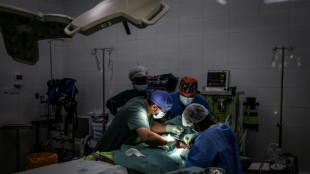
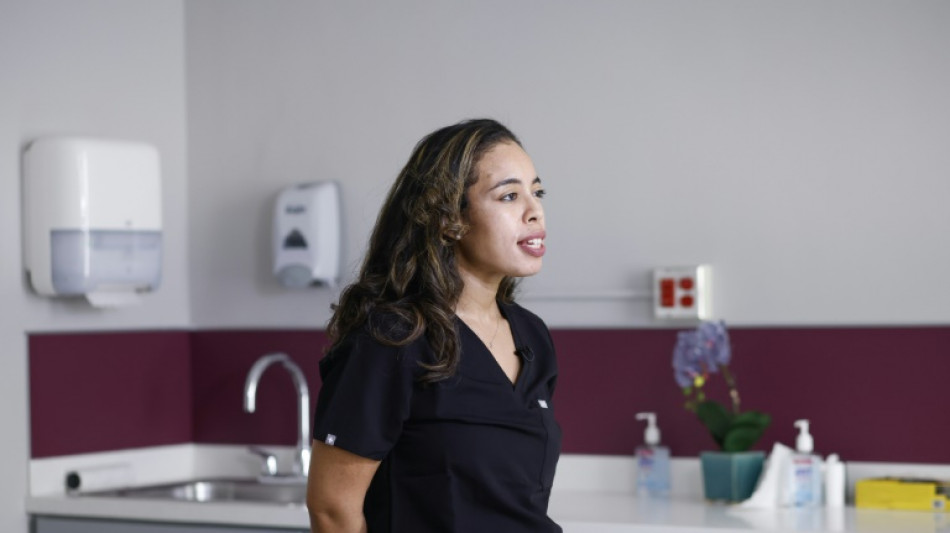
When Jessica Martinez moved away from home in 2020, a temporary contract brought her to New Jersey as a nurse on the frontlines of the pandemic. But her earnings slipped as Covid-19 faded.
Drawn by higher pay and greater flexibility, the 38-year-old is among a growing number of nurses turning to gig work -- picking up individual shifts on an app as an alternative to months-long contracts or direct employment by a hospital.
"I have worked as little as one day a week," Martinez told AFP.
"I've worked seven days a week, eight-hour shifts. It just depends on kind of what's going on in my life."
The availability of gig work comes as US hospitals try new ways to alleviate a staffing crunch, drawing comparisons to convenience associated with apps like Uber.
But critics warn this could impact patient care or fuel tensions within the workforce.
Some 100,000 registered nurses left the workplace due to stresses in the Covid-19 pandemic, found a report this year by the National Council of State Boards of Nursing.
Over 610,000 more intend to leave by 2027 due to stress, burnout or retirement, the study added.
This is a significant dent on the workforce: As of 2022, the country had around 5.2 million active registered nurses.
- 'Staffing crisis' -
There is a "staffing crisis in health care," said Deborah Visconi, chief executive of Bergen New Bridge Medical Center where Martinez works.
"Many people have decided to early-retire or to switch professions," she said.
The hospital has since started working with a platform named CareRev, and about 150 professionals have signed up to work at the center.
"Within a couple hours, we can have somebody pick up a shift right away," she said. This pool of workers fill some 80 percent of its vacancies.
Another provider of gig hiring, Aya Healthcare, told AFP it saw a 54 percent rise in the number of gig shifts filled by nurses in the last year.
Across the country the total number of available shifts on its app climbed by 62 percent, said Sophia Morris, executive vice president at Aya Healthcare.
- Flexibility -
Martinez finds gig work more "lucrative" than being a staff nurse at a hospital, estimating that wages can be "at least 30 percent more."
But as an independent contractor, she does not have benefits like health insurance provided by an employer and relies on her husband's insurance.
Others like Chantal Chambers turned to gig work while furthering their studies, picking up shifts as late as the night before.
When the 34-year-old worked gig shifts in San Diego through Aya Healthcare, she no longer had to stress about molding her family's plans around her work calendar.
As a mother-of-two, she said this allowed her to use her time better and choose to work when her children were at school all day.
Visconi of Bergen New Bridge Medical Center expects the use of gig platforms to rise.
Workers view their workplaces differently than before, seeking the flexibility to stay home at certain times or pick up extra work when they need more money, she said.
"We have an aging population that demands more health care services, and we are in the midst of a crisis," said Susan Pasley, chief nursing officer at CareRev. "So (hospitals are) looking for more flexible options."
- 'A lot of tension' -
But some warn that a surge in gig nurses could impact patient care.
"What this will result in is the lack of being prepared, for example, not having enough nurses present on site to respond to emergencies or influxes of patients," said Michelle Mahon of the National Nurses United union.
There could also be a lack of familiarity at work, such as not knowing the location of lifesaving equipment, she added.
Sarah DeWilde, a Missouri-based registered nurse, said some of this is already happening.
She trains gig nurses at her hospital, but said this does not necessarily allow her to assess their skills.
Visconi expects such situations to improve as credentialed gig workers tend to return to the hospital repeatedly to work.
But for now, DeWilde finds herself pulled into others' work.
"What that's doing is pulling me away from my patients to help them take care of their patients," she said.
"I'm already short-staffed, overworked, overwhelmed."
This can create issues, given that gig nurses can be making "twice as much money."
"That can cause a lot of tension," she told AFP.
P.E.Steiner--NZN