Brussels extends use of controversial herbicide / Photo: Kenzo TRIBOUILLARD - AFP
The European Commission said Thursday it will allow the use of the controversial herbicide glyphosate for another 10 years, breaking a stalemate between EU states divided over its safety.
Glyphosate is one of the most widely used weedkillers in the world but critics point to evidence it may cause cancer and constitutes a risk to biodiversity.
The World Health Organization in 2015 classed glyphosate as "probably carcinogenic", spurring concerns about its continued use.
The previous European Union authorisation expired in December 2022 but was extended until December 15 this year pending a scientific study of the herbicide.
The European Food Safety Authority (EFSA) in July ended up saying it had not found "any critical areas of concern" preventing glyphosate from being reauthorised, sparking a backlash from environmental groups.
EFSA did note, however, that it had "data gaps" in reaching its assessment.
The European Commission brandished the EFSA finding as justification for continued use of glyphosate until December 2033.
It said it was forced to act now, after an October vote between EU member states and a final vote in an appeals committee on Thursday both ended in stalemate, with an insufficient weighted majority for or against.
It said it "will now proceed with the renewal of the approval of glyphosate for a period of 10 years, subject to certain new conditions and restrictions".
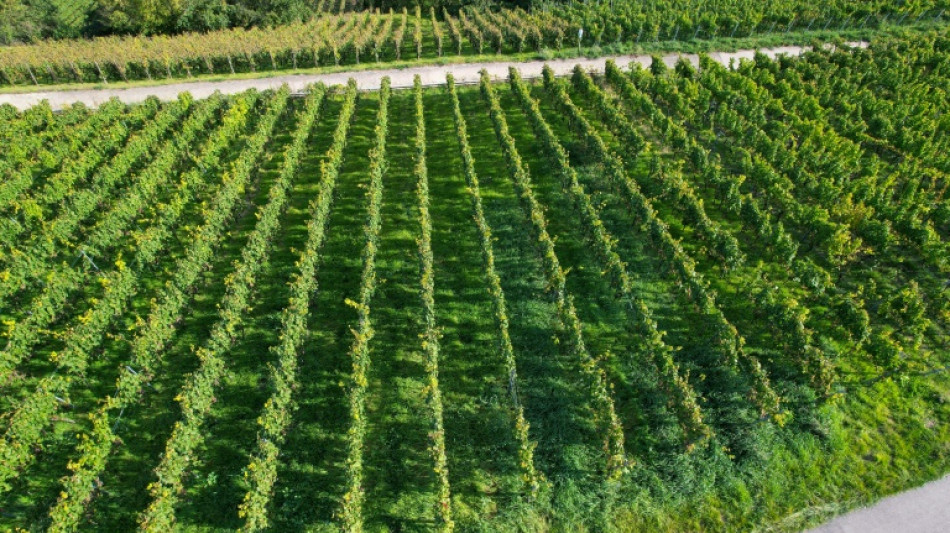
Those include buffer zones around fields sprayed with glyphosate and equipment to prevent the spray drifting to other areas, and urging EU countries to pay "particular attention" to effects on the environment on the herbicide's use.
- Bayer hails decision -
German chemicals giant Bayer, which uses glyphosate in its popular herbicides such as Roundup, acquired it when it bought US company Monsanto, "hailed and welcomed" the commission decision.
"This new authorisation will allow us to continue to supply farmers across the European Union with important technology for the integrated fight against weeds," a spokesman said.
But the chair of the European Parliament's environment, public health and food safety committee, Pascal Canfin, told AFP he viewed the decision as "absolutely unacceptable from a political point of view".
He noted that the renewed licence for glyphosate did not have the backing of the EU's biggest agricultural countries France, Germany and Italy, and the commission still had another month to try to come up with a workable compromise.
The EU executive could have presented "something more balanced that could have got the backing of Germany and the backing of France," said the French MEP.
In the vote Thursday, France, Germany, Italy, Belgium and the Netherlands abstained, and three countries -- Austria, Croatia and Luxembourg -- voted against a renewal.
That meant there was no qualified majority, which requires 15 out of the 27 EU countries, representing at least 65 percent of the total EU population.
France's agriculture ministry said Paris was "not against the principle of the renewal" but "regrets" that the commission did not take into account propositions to restrict its use.
A commission spokesman, Eric Mamer, said the executive believed it was "not possible to reach an agreement" among member states by December 15 so it was obliged to act.
W.F.Portman--NZN