Migratory species at risk across the planet, UN report warns / Photo: ROSLAN RAHMAN - AFP/File
From African elephants searching for water, to turtles crossing seas to nest, and to albatrosses on their ocean-spanning search for food, the world's migratory species are under threat across the planet, according to a landmark report Monday.
The first-ever State of the World's Migratory Species assessment, which focusses on the 1,189 species covered by the UN Convention on the Conservation of Migratory Species of Wild Animals (CMS), found that one in five is threatened with extinction and 44 percent are seeing their populations decline.
Humans are to blame, by destroying or breaking up habitats, hunting, and polluting areas with plastics, chemicals, light and noise.
Climate change also threatens to interfere with migration routes and timings, by altering seasonal conditions.
"We are finding out the phenomenon of migration itself is under threat," CMS chief Amy Fraenkel told AFP, adding that the report should be a "wake up call about what's happening".
The report is released as over 130 signatory countries -- with the notable absence of the United States, China, Canada and Russia -- gather for a conference in Samarkand, Uzbekistan from February 12 to 17.
Migratory species often rely on very specialised sites to feed and mate and their journeys between them can cross international borders and even continents.
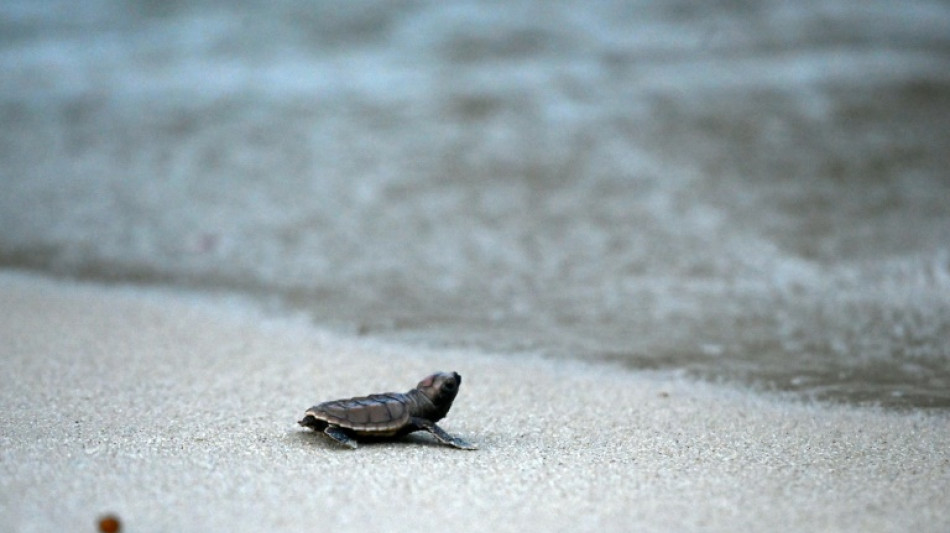
Iconic species that make some of the most extraordinary journeys across the planet include the monarch butterfly, the humpback whale and the loggerhead turtle.
"Today's report sets out the evidence that unsustainable human activities are jeopardising the future of migratory species," said Inger Andersen, head of the United Nations Environment Programme (UNEP).
- Hunting, farming, fishing -
Among the chief threats are agriculture and fishing.
Farming can destroy habitat, Fraenkel said, while "bycatch" by fishing vessels -- when other fish or animals become ensnared by fishing gear -- is the biggest continued threat for whales.
She said that while habitat destruction is considered the main risk to migratory animals, for some species the report found that it was "intentional killing", either for wild meat, or sport, or because the animals are thought of as pests.
"There is a big gap that we've now identified that needs action," she said.
The report, compiled by UNEP's World Conservation Monitoring Centre, found that over the past three decades, 70 CMS-listed species have become more endangered, including the steppe eagle, Egyptian vulture and the wild camel.
Just 14 now have an improved conservation status -- including blue and humpback whales and the white-tailed sea eagle.
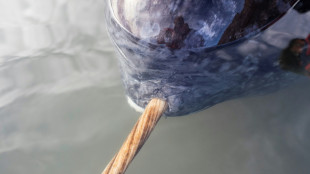
Of the 158 mammals listed under the convention, 40 percent are globally threatened, according to the report.
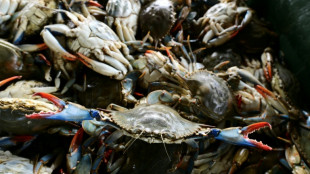
Meanwhile almost all -- 97 percent -- of the 58 fish species listed are facing a high risk of extinction, including migratory sharks, rays and sturgeons.
More than 960 species of birds are CMS-listed and while only 14 percent were assessed as threatened, the authors stressed this still amounts to some 134 species.
The report also found 399 migratory species -- including albatrosses, ground sharks and stingrays -- are categorised as threatened or near-threatened but are not yet CMS-listed.
- 'Magnificent creatures' -
The report, which is intended to feed into the Samarkand conference, includes a focus on species most at risk, highlighting the threats from fishing, farming and pollution.
They echo a flagship biodiversity agreement in 2022, when countries agreed to preserve 30 percent of the planet's land and sea by 2030.
Many of the migratory species listed on CMS provide economic value or "services" useful to humans -- from tourism centred on whales, dolphins, elephants and cheetahs to the pollination provided by birds and bats.
But Fraenkel said these species also connect communities across the world, their departures and arrival marking the passing of the seasons.
"They are really magnificent creatures," she said.
A.Senn--NZN