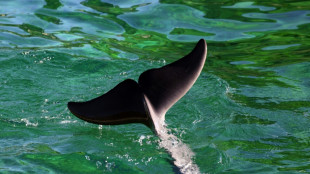
The battle to save Cambodia's river dolphins from extinction / Photo: TANG CHHIN Sothy - AFP
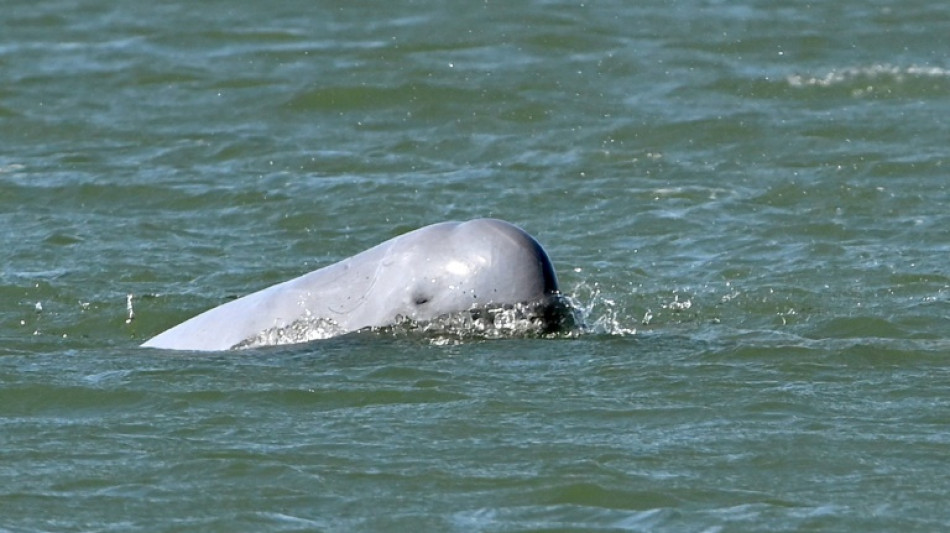
Bulging grey heads break the turbid waters of the Mekong River in Cambodia as a pod of rare Irrawaddy dolphins surfaces to breathe, drawing excited murmurs from tourists watching from nearby boats.
The thrilling sight may soon be no more than a memory, as numbers of the endangered mammals dwindle despite efforts to preserve them.
Cambodia has announced tough new restrictions on fishing in the vast river to try and reduce the number of dolphins killed in nets.
But in a country with limited financial resources, it's a huge challenge to enforce the rules on a river hundreds of metres wide that is dotted with islets and lined with dense undergrowth.
"We fear we cannot protect them," says river guard Phon Pharong during a patrol searching for illegal gillnets.
Gillnets -- vertical mesh nets left in the water for long periods -- trap fish indiscriminately and are the main cause of death for dolphins in the Mekong, according to conservationists.
Pharong is one of more than 70 guards who patrol a 120-kilometre (75-mile) stretch of the Mekong from northeastern Kratie province to close to the Laos border.
The guards say their efforts are hampered by limited resources -- and intimidation by fishing gangs.
Mok Ponlork, a fisheries department official who leads the dolphin conservation guards in Kratie, has 44 people to monitor an 85-kilometre stretch but says to do the job effectively he would need at least 60.
Without the staffing, the guards know they are playing a losing game of cat and mouse with those fishing the river.
"If we patrol at night, they don't go. When we return at daytime, they go in the river," Pharong said.
Low wages mean guards are forced to take extra work onshore to support their families, taking them away from patrol duties.
Each guard receives about $65 a month from the government, while WWF funds another $5 for a day of patrolling.
- Dwindling numbers -
Irrawaddy dolphins -- small, shy creatures with domed foreheads and short beaks -- once swam through much of the mighty Mekong, all the way to the delta in Vietnam.
Illegal fishing and plastic waste have killed many, and the dolphins' habitat has been reduced by upstream dams and climate change, which have had a major impact on water levels in the river.
The population in the Mekong has dwindled from 200, when the first census was taken in 1997, to just 89 in 2020.
The species lives in only two other rivers: Myanmar's Ayeyarwady and the Mahakam in Indonesia, according to WWF.
The three river populations are listed as critically endangered on the IUCN red list of threatened species.
Found in fresh and salt water, Irrawaddy dolphins are slightly more numerous in coastal areas of South and Southeast Asia -- though even there they are classed as endangered.
Adding to concerns about the Mekong dolphins' future, around 70 percent of the population is now too old to breed.
Eleven Mekong dolphins died last year, but in December the deaths of three healthy breeding-aged dolphins entangled in fishing nets and lines within a week raised particular alarm among conservationists.
"It's kind of a worrying sign," Seng Teak, WWF-Cambodia Country Director, told AFP.
"We do need a lot in order to make sure that this species continues to survive in the Mekong," he said, calling on the government "to mobilise more resources into dolphin protection".
- Protection zones -
In late February, Cambodian Prime Minister Hun Sen issued a new law creating protection zones in which fishing is banned.
Violators face up to a year in jail for using gillnets and up to five years for electrofishing in the conservation areas.
In one such zone, around the village of Kampi, 24 guards now patrol a 22-square-kilometre (8.5-square-mile) stretch of river 24 hours a day.
"If they lay gillnets in the conservation zones, we will arrest them. If they use electrofishing, there is no mercy, they will be arrested and sent to court," said Ponlork.
So far, the extra push seems to be paying off: there are no more deaths and even a ray of hope.
"We got news from tourist boat operators that a baby dolphin was born a few days ago," Ponlork said.
Many locals who make a living taking tourists to see dolphins or selling related souvenirs are also worried about the mammals' future.
"If the dolphins are gone, we are over because our income is from dolphins," said Meas Mary, 53, who makes up to $15 a day running boat trips.
"Before there were a lot of dolphins. Now they are disappearing. I am so worried."
A.Wyss--NZN