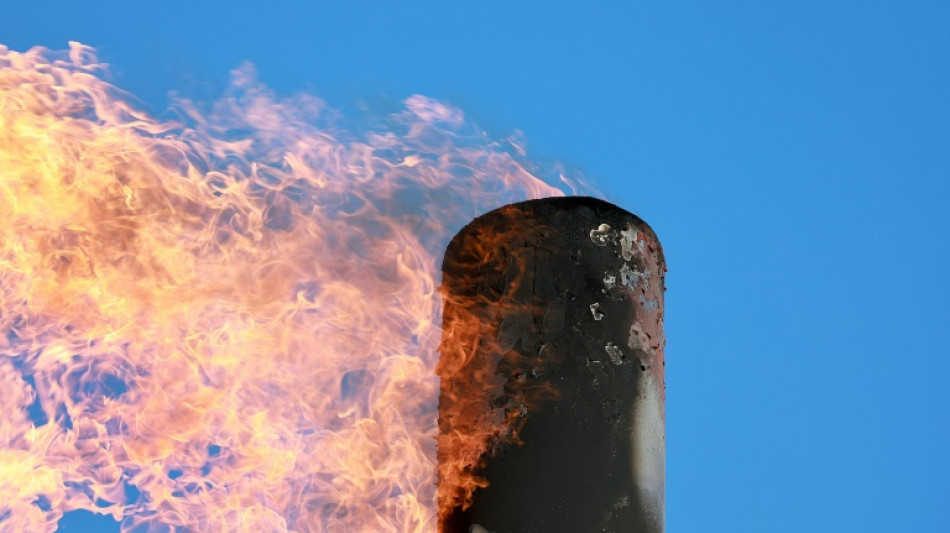
Methane emissions from energy sector rose in 2023: IEA / Photo: JOE RAEDLE - GETTY IMAGES NORTH AMERICA/AFP/File
Planet-heating methane released by the fossil fuel industry rose to near record highs in 2023 despite technology available to curb this pollution at virtually no cost, the International Energy Agency said Wednesday.
Slashing emissions of methane -- second only to carbon dioxide for its contribution to global warming -- is essential to meeting international targets on climate change, the IEA said.
The Paris-based agency said failing to curb methane leaks from oil and gas projects was a "massive missed opportunity" to prevent losses and reduce emissions of the potent greenhouse gas.
"Emissions of methane from fossil fuel operations remain unacceptably high... There is no reason for emissions to remain as high as they are," IEA chief energy economist Tim Gould told reporters ahead of the release of the agency's annual Global Methane Tracker report. Countries and companies could slash these emissions from fossil fuels in half by 2030 if they deliver on their methane promises in full, the IEA said.
Methane is responsible for around 30 percent of the global warming experienced today, according to the UN Environment Programme.
While some 40 percent of methane is released from natural sources, mainly wetlands, human activities are responsible for the rest.
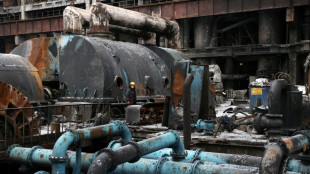
Agriculture is the main source but the next largest is the energy sector, where methane leaks out from energy infrastructure such as gas pipelines and from deliberate releases during maintenance.
- Major leaks -
These emissions have risen three years in a row, the IEA said.
It said nearly 120 million tonnes was released in 2023 -- a small rise compared with 2022, and close to the record high in 2019.
And a significant proportion of the 2023 emissions, around 40 percent, "could have been avoided at no net cost" using tried and tested methods to prevent leakages, said IEA energy expert Christophe McGlade.
"It still represents a massive missed opportunity," he said.
To limit global temperature rises to internationally agreed levels, methane emissions from fossil fuels need to be cut 75 percent by 2030, the IEA said.
This would require about $170 billion in spending, "less than 5 percent of the income generated by the fossil fuel industry in 2023," it added.
Two-thirds of methane emissions from fossil fuels come from just 10 countries.
China leads for methane from coal production, while in the oil and gas sector the United States generates the most emissions, followed by Russia.
But some countries release far less methane than others, with Norway the most efficient at preventing emissions and Turkmenistan and Venezuela the least, the IEA said.
Last year witnessed a surge in large-scale methane leaks, the IEA said, including a well blowout in Kazakhstan that lasted more than 200 days.
- 'Low-hanging fruit' -
The IEA said advancements in satellite monitoring would provide a clearer picture of these events.
In early March, a new methane-tracking satellite backed by the US-based Environment Defence Fund, a non-profit organisation, was launched into orbit on a SpaceX rocket.
In a separate study published Wednesday in the journal Nature, researchers found that six major oil and gas regions in the US may be losing on average nearly three percent of supply as methane.
These regions -- comprising roughly half of onshore oil production and 29 percent of gas -- may be contributing 6.2 million tonnes per year of methane emissions, three times official government estimates.
"Together, the emissions quantified here represent an annual loss of roughly US$1 billion in commercial gas value and a US$9.3 billion annual social cost," read the study.
Methane is far more powerful than CO2 at trapping heat in the atmosphere but relatively short-lived, making it a key target for countries wanting to slash emissions quickly and slow climate change.
More than 150 countries -- including Azerbaijan, host of the next UN climate talks -- have promised a 30 percent reduction by 2030.
Oil and gas firms have meanwhile pledged to slash methane emissions by 2050.
But these commitments were not backed up by detailed plans, the IEA said.
Meanwhile, energy think tank Ember said methane from coal, in particular, was being overlooked in these pledges despite being a major source of emissions that could be cleaned up at low cost.
"There are cost-effective technologies available today, so this is a low-hanging fruit of tackling methane," said Sabina Assan, a methane analyst at Ember.
L.Muratori--NZN