Starmer resigns as UK PM, Burnham favourite to take over / Photo: Henry NICHOLLS - AFP
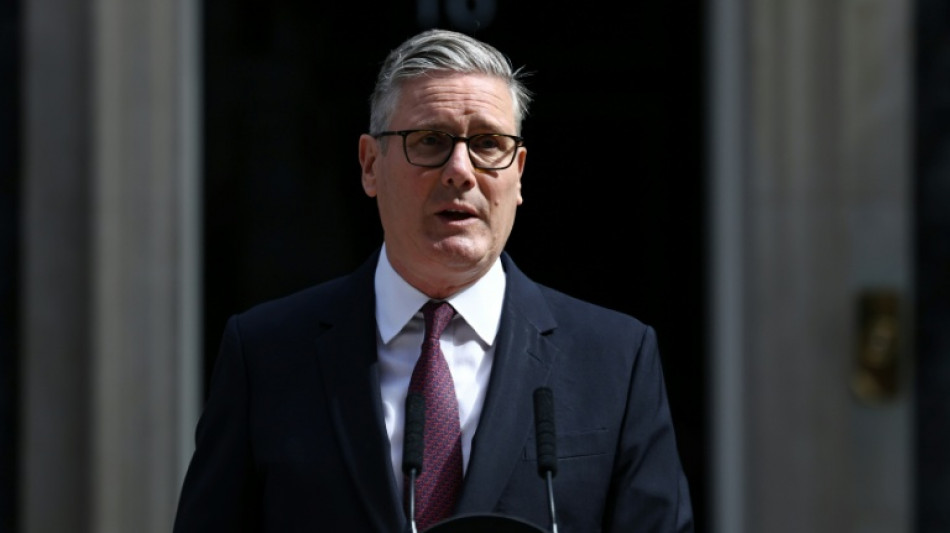
UK leader Keir Starmer announced his resignation on Monday following months of pressure, kickstarting a process that will see Britain get its seventh prime minister in a decade.
Veteran politician Andy Burnham, who secured a return to parliament just last week, appeared poised to succeed Starmer after would-be rival Wes Streeting offered him his support.
Starmer's voice cracking during an emotional speech outside 10 Downing Street, as he conceded he had lost the support of his Labour party MPs after just two years in office.
He said he had informed head of state King Charles III of his decision to resign so that a new Labour leader, and therefore prime minister, could be elected.
"I will remain in post as prime minister until the contest is complete, and I will do everything I can to ensure an orderly handover of power," Starmer said, choking back tears when he thanked his wife Victoria and two children.
Starmer returned Labour to power after 14 years in opposition with a landslide general election victory over the Conservatives in July 2024.
But his premiership quickly became characterised by policy U-turns, deep public unpopularity, and ministerial resignations.
- 'Country I love' -
Labour lawmakers have ultimately decided he is incapable of fighting off the rise of the hard-right anti-immigration Reform UK party, which leads national opinion polls.
Starmer's domestic authority has been waning since Labour endured a drubbing in local and regional elections, including to Reform, in May, with clamour growing for Burnham to replace him.
Starmer had vowed to fight any leadership challenge but several senior ministers reportedly told him the game was up after Burnham won a parliamentary by-election last week, allowing him to run for leader.
Burnham, a former Labour minister under Tony Blair and Gordon Brown who has been mayor of Greater Manchester since 2017, is due to take up his seat in the House of Commons later on Monday.
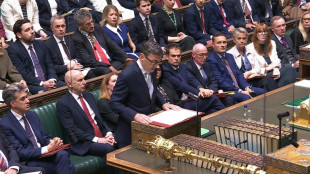
"The question my party is asking now is whether I am best placed to lead us into the next general election," Starmer said, as senior ministerial colleagues looked on.
"I have heard the answer of my parliamentary party to that question, and I accept that answer with good grace.
"Every decision I have taken has been about putting the country I love first. That is why I will resign as leader of the Labour Party," he added.
- 'Forces of nationalism' -
Starmer said he had asked Labour's National Executive Committee to set out a timetable for his replacement, with nominations due to open on July 9.
"This will ensure that a new leader is in place before parliament returns in September" after the summer recess, he explained.
Starmer hugged his wife after finishing his speech, which a prominent anti-Brexit campaigner tried to drown out by playing the European Union anthem "Ode to Joy" from a nearby street.
Burnham called for "orderly and responsible" transition, writing on X: "I will put myself forward as part of this process."
Quickly afterwards, former health secretary Streeting, who previously said he would join a leadership race, instead announced he was backing Burnham, suggesting the latter could become leader without any formal contest.
Streeting said he had spoken to Burnham in recent days and was convinced he "can win the fight of our lives against the forces of nationalism".
Ed Miliband, who UK media said had pressured Starmer to quit, praised the outgoing PM's "great dignity and integrity" and said he could be "immensely proud of his achievements".
EU chief Ursula von der Leyen said Starmer, widely praised for his handling of international affairs, had made European and Ukrainian security "stronger".
- 'Final chance' -
Burnham warned in his by-election victory speech that Labour had a "final chance to change".
Reform leader Nigel Farage swiftly called for a snap general election.
Starmer was nearly ousted in March over his ill-fated decision to appoint Peter Mandelson, a known associate of the late US sex offender Jeffrey Epstein, as the UK's ambassador to Washington.
A former MP and government minister in the 2000s, Burnham defied national trends by easily beating the hard-right, populist Reform UK party's candidate in Makerfield.
But Burnham, from the so-called soft-left wing of Labour, has provided little detail about his plans for government if he wins power, causing concern among some MPs.
UK media say he intends to replace finance minister Rachel Reeves, while retaining interior minister Shabana Mahmood.
Y.Keller--NZN